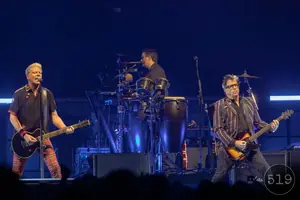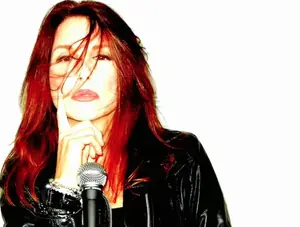
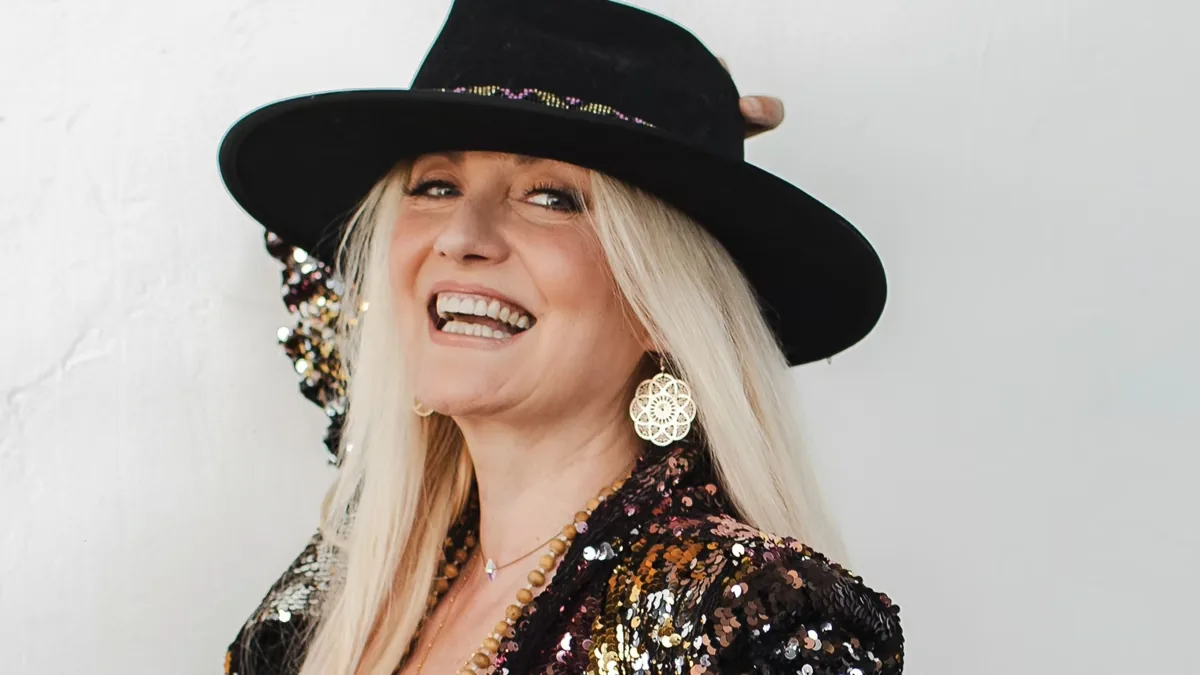
Revisiting this 2023 conversation with Sass Jordan about her archival release Live in New York '94 feels less like a typical press junket and more like cracking open a time capsule. This isn't just another live album pulled from a dusty box. It’s an emotional and sonic document of a specific, brutal moment when Canadian rock royalty was at the absolute peak of its commercial power and on the verge of a personal collapse. It’s a snapshot of a band so hot it was destined to burn out.
The entire project is, of course, inextricably linked to the late Taylor Hawkins. When this recording was captured, he wasn't the global stadium icon of the Foo Fighters. He was a 22-year-old kid with what Jordan calls a “fantastic raw childlike joyful energy”. But he was already a monster. The album serves as a pristine exhibit of his pre-fame genius a raw unvarnished look at the explosive talent Dave Grohl would later tap to redefine his own band’s sound. Jordan knows her old friend would have had a complicated reaction to hearing it. “He would have loved it,” she says. “He would have thought this was terrific and funny and cringey. He would have thought all three things.”
And it’s a sentiment that rings true. Hawkins was known for his relentless self-criticism but the playing here is undeniable. Jordan is quick to point out that the band’s foundation was the lockstep groove of Hawkins and bassist Tony Reyes. “It was like Taylor and Tony were the, you know, the whole foundation, shall we say, of the band,” she explains. “You can't have any branches growing out of a out of a weak foundation. So that was it was a powerhouse, rhythm section.”
But this wasn’t just the Sass and Taylor show. The lineup for the Rats tour was a murderer’s row of talent including the legendary Stevie Salas, Tony Reyes, Nick Lashley, and the often-unmentioned Eric Lozier on percussion and vocals. The camaraderie was palpable. Jordan recalls the constant brotherly sparring between Hawkins and Reyes. “They used to fight all the time. They were they were like two brothers,” she laughs recalling Taylor mocking Tony’s hair. “It's like getting on each other's nerves, stealing each other's chicken wings.”
The existence of this recording is pure luck. For years fans had clamoured for a live release from this era but Jordan simply didn't have one of sufficient quality. As it turns out the New York show was a radio broadcast which explains its pristine audio fidelity and truncated eight-song setlist. There’s another recording from the same tour at Detroit’s Roseland Theater but the sound is nowhere near as good. So this document is it. The definitive article on that period.
And what a period it was. The pressure on Jordan following the success of her earlier work was immense. She was living inside the very machine Joni Mitchell sang about. “Stoking the star making machinery behind the popular song,” Jordan quotes. “Well, truer words were never spoken, and it's a machine, and it's not about humans.” The industry demanded more and more and she didn't have the tools to protect herself.
That relentless grind is the emotional core of the record. The opening track “Damaged” isn’t just a song choice; it’s the album’s thesis statement. Jordan admits the track was a direct reflection of her state of mind. “That song was really, and I think it came from the place in me where I was, 'I've had enough,'” she confesses. “I was becoming damaged by it.” The tour was a whirlwind of contradictions. “It was relentless and exhausting and exciting and fun and brutal and emotional and all of the above. So it was it was a very intense period.”
I don't really relate to it. It's like it's a person I don't really even know... I don't really remember being her.
Looking back now from a distance of three decades Jordan feels a profound disconnect from the woman on that stage. It’s not a warm and fuzzy nostalgia trip. It's an almost clinical observation of a past self. “I don't really relate to it. It's like it's a person I don't really even know,” she admits. “I just don't really remember that person much. I mean, I see her and I hear her and there's there's there's resonant things in it, but I don't really remember being her.”
That sense of detachment is amplified by the album's visuals. The photos included in the gatefold weren't from a professional shoot. They were snapped by tour manager Eric Lozier on disposable cameras bought at supermarket checkouts. The grainy lo-fi images are a perfect artifact of the pre-digital age authentic and uncurated. They capture the exhaustion and the energy of the road far better than any glossy magazine spread ever could.
The setlist itself reveals Jordan's artistic DNA. The inclusion of a blistering David Bowie cover “Moonage Daydream” was a crucial nod to a primary influence. It wasn't just a fun song to play; it was a statement of identity. “I identified very much with his kind of like the man who fell to earth persona, that kind of outsider weirdo freak persona, strangely enough, because, you know, I didn't appear that way, but I felt that way inside.”
That outsider feeling found a strange sense of community on the night of the New York recording. Jordan has a distinct memory of the weather turning foul. “The only thing that I remember from that particular show is that it was raining, and that seemed to it seemed to unite everybody even more,” she recalls. “We were all dealing with this kind of, you know, this crazy weather. And those of us who stuck it out, you know, it's like we were all in this together.”
The decision to finally release the album came a year after Hawkins’ passing. It was a colleague who suggested it would be a fitting tribute. For Jordan the timing felt right. Their friendship had endured long after he left her band. They spoke a couple of times a year and texted often. In 2015 Hawkins brought her onstage to sing with the Foo Fighters a moment immortalized on YouTube where he tells the story of how they met. He was a dear friend.
His loss was devastating but Jordan’s perspective on it is deeply philosophical. “The fact is he's not really dead. I mean, he's gone from his body, but I can I still feel him?” she muses. “It's like I can almost hear him talking sometimes.” It's this belief that allowed her to approach the project not as a memorial but as a celebration of the vibrant energy he possessed.
Remarkably this journey into the past has reignited her creative fire for the present. After releasing two acclaimed blues albums Jordan feels a new pull toward her rock roots. This live album has reminded her of the power of that sound and that energy. “I'm feeling inspired again, and I think it's because of this record,” she says. “I've got like this whole new inspiration to go back to that old stuff and like interpret it energetically the way I am now.”
That new energy is fueling a slate of upcoming shows including what she jokingly calls a “world tour of Ontario”. She’s refreshingly candid about the business of touring explaining that her schedule is at the mercy of promoters making offers. It’s not about choosing where to go; it’s about going where you’re wanted. It’s a hard-won wisdom that was absent back in 1994.
That wisdom came at a cost. The pressure of that era was unsustainable. She describes the endless lines of fans the constant travel and the physical toll of her vocal style. “I had no idea how to say 'no.' That's enough. I need to preserve some energy. And so I just was completely drained,” she says. “And when you're completely drained, it's hard to be happy.”
Ultimately Live in New York '94 is far more than a concert recording. It’s a document of artistic combustion. It captures a moment when a world-class band led by a phenomenal Canadian talent was firing on all cylinders while simultaneously running on fumes. It’s a tribute a cautionary tale and a testament to the enduring power of a single night of loud raw rock and roll.
519 Magazine Archive: We are thrilled to officially unearth the 519 Magazine Digital Vault. This isn't just a re-post; it's a high-fidelity restoration of a pivotal era in music journalism. By pairing original print dates with modern retrospectives, we’re bridging the gap between historical rock-and-roll grit and the lightning-fast performance of today’s web. These stories—once locked in physical print and lost URLs—are now back, fully searchable, and optimized for a new generation of fans.
Get Tickets

We are thrilled to officially unearth the 519 Magazine Digital Vault. This isn't just a re-post; it's a high-fidelity restoration of a pivotal era in music journalism. By pairing original print dates with modern retrospectives, we're bridging the gap between historical rock-and-roll grit and the lightning-fast performance of today's web. These stories—once locked in physical print and lost URLs—are now back, fully searchable, and optimized for a new generation of fans.