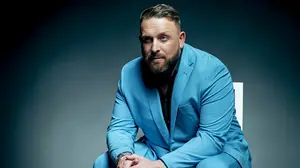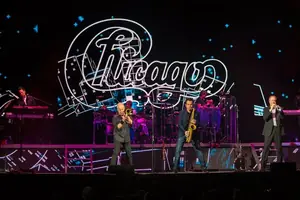
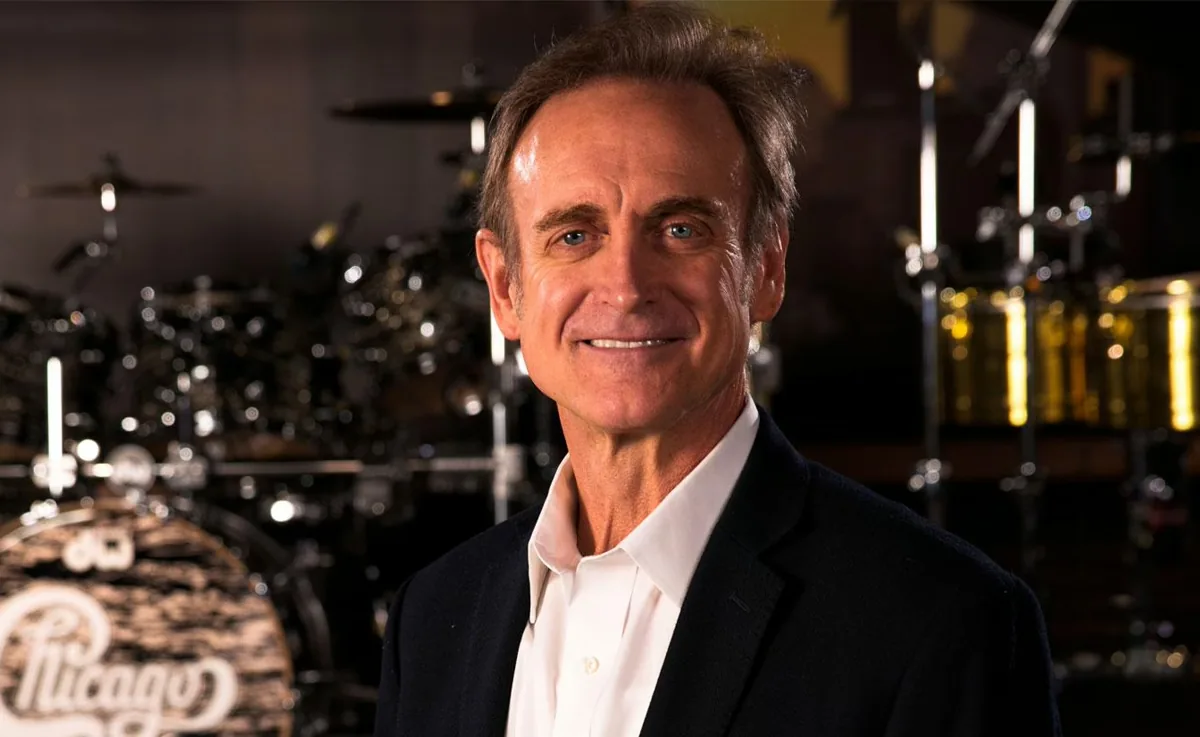

Revisiting the raw transcripts from our 2019 conversation with Neil Donell offers a sharp look into the mechanics of a legacy act. At the time, he was the new guy. The first Canadian ever to front the monolithic American institution that is Chicago. And it wasn't just a gig. It was a custodial transfer for one of pop music’s most durable songbooks.
Donell was about a year and a half into the role when we spoke, a role that fundamentally rewired his life. For over 30 years he was the secret weapon of the music industry. A Toronto-based studio gun-for-hire with a staggering 10,000 sessions to his name. He was the voice you heard but never knew. Suddenly he was on a tour bus for 100-plus shows a year part of a travelling circus in its 52nd year on the road.
But the transition was more than just logistical. “I kinda have a new family because the band and the entire organization is very much like a family,” Donell says. This isn't just PR fluff. For a band that has weathered lineup changes, deaths, and decades of shifting musical tastes, that internal chemistry is everything. The “tour bus factor” as he calls it is as critical as hitting the high notes in “25 or 6 to 4.” You either fit or you get off at the next stop.
And Donell’s entry point was fittingly modern. No smoky backroom auditions. Just YouTube. The band’s brain trust heard his work online where his uncanny ability to channel other singers was on full display. His work with the popular orchestral rock outfit Jeans 'n Classics had him tackling everyone from Sting to Steve Perry. That vocal plasticity was his calling card.
Chicago’s history is defined by three distinct lead voices: the raw soulful grit of the late Terry Kath, the smooth melodicism of Robert Lamm, and the stratospheric tenor of Peter Cetera. Donell’s unique talent was his ability to cover all three bases. “I had the ability to emulate all three voices,” he explains. “So I think that's kind of what sort of piqued their interest in me.” It was a pragmatic choice for the band. He was their Swiss Army knife, a vocal insurance policy.
The irony of course is that for decades Donell made his living being a vocal chameleon. He recalls one session where he so perfectly mimicked Foreigner’s Lou Gramm for a beer commercial that the ad was pulled. It was too close to the original. The challenge with Chicago was finding the balance between faithful reproduction and personal interpretation. He had to honour the blueprint without becoming a carbon copy.
This leads to the core of his philosophy in the role which he terms a “sacred trust.” It’s a powerful and accurate descriptor for what it means to step into a band whose music is deeply woven into the cultural tapestry. These aren’t just songs; they are milestones in people's lives.
A lot of people have been saying that the current incarnation of the band is the best that the band's ever been. Even some of the founding members have said, you know, every single night it's just we're nailing it every night and there's a new energy on stage.
“People will come up to us and say, you know, this was our wedding song or this song got me through a period, a very stressful period,” Donell notes. The weight of that expectation is immense. “People come to the concerts expecting to hear what they remember... The onus is on us to ensure that they leave the theater with great big smiles on their faces.”
There's no room for cynical reinterpretation or avant-garde arrangements. The mission is clear: deliver the emotional payload the audience paid for. It’s a performance of preservation and respect. A task that requires immense skill and a complete lack of ego.
But make no mistake, this isn’t a dusty museum piece. Donell insists the band was firing on all cylinders, feeling a renewed spark. “A lot of people have been saying that the current incarnation of the band is the best that the band's ever been,” he says, a bold claim he attributes even to some founding members. He points to guys like Lamm, Jimmy Pankow, and Lee Loughnane beaming on stage every night as proof. The new blood was clearly energizing the veterans.
Of course, maintaining that level of performance is a feat of pure discipline. Forget the rock and roll excess of the past. Donell’s routine is that of a professional athlete. Daily workouts, yoga, and no alcohol. He’s a technician dedicated to preservation and longevity. His four-octave range is a finely tuned instrument that requires constant maintenance.
He speaks of his vocal warm-ups with the reverence of a classical performer. “The late great Luciano Pavarotti, when he had an 8:00 performance in the evenings, he would often begin his vocal warm-ups around late morning, 11 AM,” Donell says. It’s a holistic approach. Everything in his day is geared towards the two and a half hours he spends on stage.
This is the unglamorous truth of the modern legacy tour. It’s a grueling physical and mental marathon. The endless bus rides and lack of sleep are the real price of admission. Donell’s professionalism, honed over thousands of exacting studio sessions, is what makes it possible.
Looking back at the interview, it's clear Donell understood his place in the Chicago ecosystem perfectly. He wasn’t there to reinvent the wheel. He was there to make sure it kept rolling smoothly with all the power and precision fans had come to expect for over half a century. It wasn't a dream he’d chased, but a responsibility he earned.
As he puts it with the quiet confidence of a lifelong pro: “I tell people, I said, you know, if you hopefully get good at what you do, sometimes somebody notices, you know, and in this case somebody did.” For a man who spent a career being heard but not seen, it was a hell of a notice to receive.
519 Magazine Archive: We are thrilled to officially unearth the 519 Magazine Digital Vault. This isn't just a re-post; it's a high-fidelity restoration of a pivotal era in music journalism. By pairing original print dates with modern retrospectives, we’re bridging the gap between historical rock-and-roll grit and the lightning-fast performance of today’s web. These stories—once locked in physical print and lost URLs—are now back, fully searchable, and optimized for a new generation of fans.
We are thrilled to officially unearth the 519 Magazine Digital Vault. This isn't just a re-post; it's a high-fidelity restoration of a pivotal era in music journalism. By pairing original print dates with modern retrospectives, we're bridging the gap between historical rock-and-roll grit and the lightning-fast performance of today's web. These stories—once locked in physical print and lost URLs—are now back, fully searchable, and optimized for a new generation of fans.