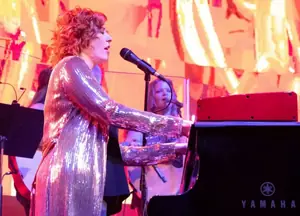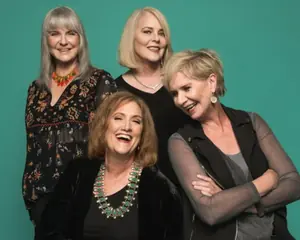
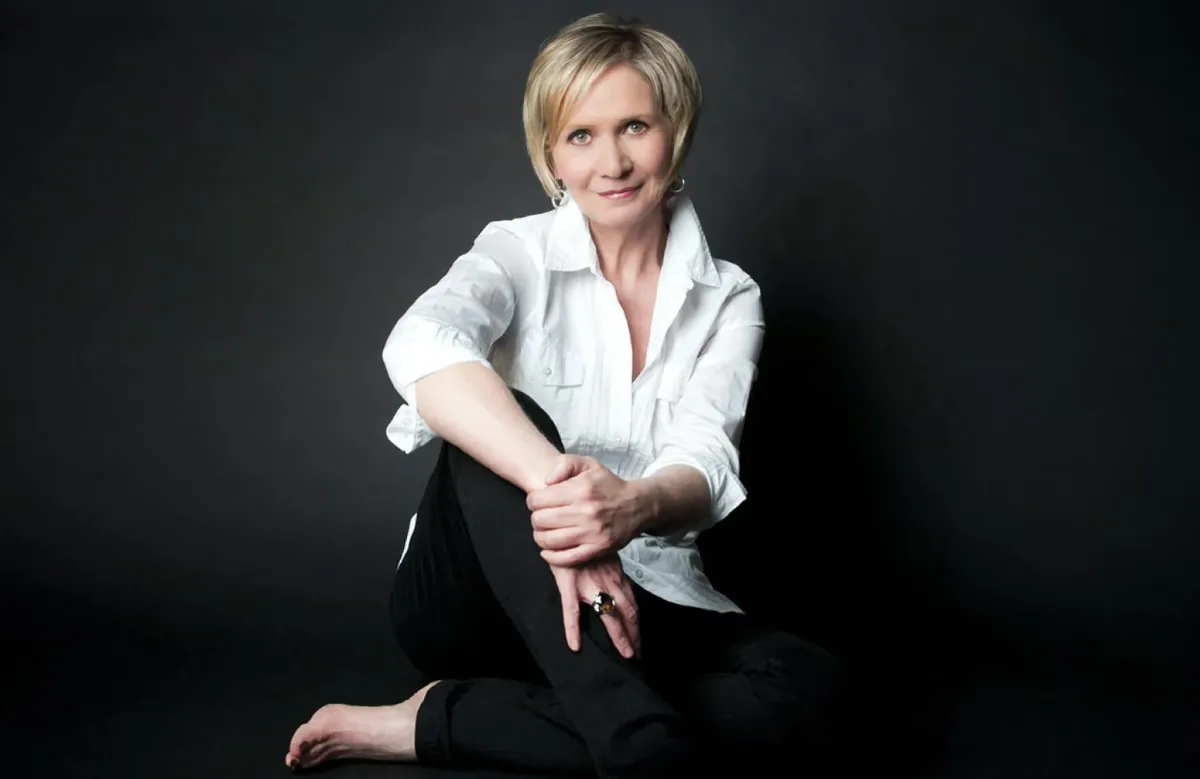

Looking at the raw transcripts from this November 2019 conversation with Cindy Church feels like unearthing a time capsule from a different world. It was just before everything shut down. The topic was Quartette’s upcoming Christmas tour—a tour built on nostalgia, comfort, and the kind of musical camaraderie that feels more vital now than ever. But the real story here isn't just about a holiday show. It’s about the anatomy of the “accidental supergroup,” a uniquely Canadian phenomenon that Quartette and Church’s other band, Lunch At Allen’s, perfectly embody.
These projects that last decades are rarely the product of a grand corporate strategy. They’re born from a one-off gig, a single phone call. Church confirms this was precisely the case for Quartette. The band’s origin story is pure Canadiana, rooted in a 1993 festival at Toronto’s Harbourfront. Promoter Derek Andrews was curating a “women in music” weekend and needed a country music presence. The call went out to the late great Colleen Peterson.
Peterson enlisted songwriting royalty Sylvia Tyson and Caitlin Hanford. And Hanford, who had been pen pals with Church, suggested the Alberta-based singer to round out the lineup. The initial plan was simple: a standard songwriter-in-the-round session. But that wasn’t enough for them. It was a pivotal moment of artistic ambition that defined their entire future.
“We thought, well, you know, we all are harmony singers,” Church says, reflecting on that initial spark. “We love singing harmony. Like, why just have it be, you know, a writer-in-the-round thing? Why don't we send each other cassette tapes at that time with the songs that we wanna do, learn all the harmony parts, put a band behind us, and make it be something big?”
And they did. That decision to lean into their collective strength as harmony vocalists instead of just taking turns at the mic transformed a simple gig into an event. The performance created immediate industry buzz, leading to an appearance on Peter Gzowski’s CBC show and demands for an album. What was supposed to be a single weekend became a nearly three-decade career. “It was always gonna be just getting together for that, and that was it,” Church notes. “So here we are… going on twenty-seven years later.”
What’s fascinating is how they navigated the notoriously shark-infested waters of the music business. With four established artists from different labels and management teams, the logistics should have been a nightmare. But Church remembers it as a surprisingly straightforward affair. There was no big-time management pulling strings or a label bankrolling the operation. It was pure hustle.
“It was pretty grassroots, I guess,” she admits. “It's in some ways, it's always been our own business because we've always basically financed all of our albums ourselves.” They relied on investors and paid back every cent for every record. Their management was an agent booking tours. Their promotion was word-of-mouth and the genuine press attention they received for being a powerhouse quartet of women in a genre that didn’t always make space for them.
This DIY ethos is likely the key to their longevity. By keeping the machine small, they kept the focus on the music and, more importantly, on each other. That’s the core of it all. When asked what keeps it going after so many years, Church is unequivocal. It isn’t the money or the applause. It’s the bond.
Ian often says, our dinners beforehand, when we get together, are just as much fun and and as important as our shows for us. You know? It's it really is it really is about us as people and and as well as the music.
“I think it's because for one thing, it becomes as much about the friendships. I mean, we are a family, and it's a very functional family,” she explains. “And so it's as much about that as just loving the music that we do. It really is a love of each other and a love of what we do that keeps it going.”
This sentiment extends to the very act of performing. For Church, the allure of Quartette isn’t about sharing the spotlight but about disappearing into a larger sound. It’s a perspective that feels almost radical in an era of relentless self-promotion. “You get to sing harmony. And I know, speaking for myself, I’d rather sing harmony than anything else,” she says. “I so enjoy it. I've enjoyed it since I was a kid.” It’s a collaborative spirit over solo ego, a preference for the blend over the lead.
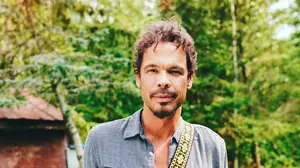
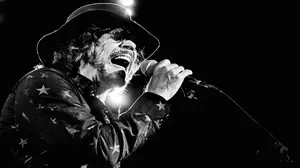
Lightning somehow struck twice for Church. Her involvement in Lunch At Allen’s with Murray McLauchlan, Ian Thomas, and Marc Jordan followed the exact same blueprint. A one-off tour of Northern Ontario snowballed into another long-term “functional family.” The chemistry was once again immediate and undeniable. It was about more than just the notes played on stage.
Church shares a poignant insight from Ian Thomas: “He often says our dinners beforehand when we get together are just as much fun and as important as our shows for us.” This is the secret sauce. The hang is as crucial as the performance. The shared meals and stories fuel the music, creating an onstage connection that audiences can feel is utterly authentic.
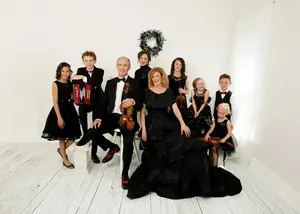
At the time of this interview, that connection was being channeled into their annual Christmas tour. Church described the show as a mix of original and traditional songs, running the gamut from jazzy arrangements to country stylings and a cappella pieces. It’s a formula designed for warmth and familiarity, a sonic comfort blanket for chilly November and December nights.
The conversation touches on the idea that in a world filled with “hate and negativity,” a Christmas show offers a two-hour reprieve. From our 2024 vantage point, that sentiment hits with profound weight. The desire to “just kinda let yourself be enveloped by these beautiful sounds” has only grown more urgent. Music’s role as a nostalgic anchor, a direct line to simpler times, is something Church understands intimately.
She speaks of her own childhood Christmases in Bible Hill, Nova Scotia, where the Bing Crosby record was a constant and the tinsel on the tree, viewed from her bedroom, was pure magic. Her stories of family feasts, first with turkey and then with lobster on Christmas Eve near Tatamagouche, paint a picture of tradition and place that grounds her artistry. It’s not about the commercialism, she insists. “It's about being together with people I love.”
If there’s one critique to be leveled at the supergroup model, it’s that its inherent stability can sometimes preclude risk. The Christmas shows and the familiar catalogues are beloved precisely because they are reliable, not because they are challenging convention. But maybe that’s the entire point. In a chaotic world, Quartette and Lunch At Allen’s offer something steadfast.
Toward the end of the chat, Church mentions her younger sister urging her to record another solo album, a project leaning into her traditional country roots. Her last one was in 2012. The idea clearly appeals to her, but the pull of her collaborative families remains strong. It’s a classic artistic dilemma: the solitary path versus the shared journey.
Revisiting this interview serves as a powerful reminder of what makes these artists endure. It’s not a calculated brand. It’s a group of friends who stumbled into something special and had the wisdom to protect it. They built their careers on grassroots grit, genuine affection, and the simple, beautiful act of voices locking in perfect harmony.
519 Magazine Archive: We are thrilled to officially unearth the 519 Magazine Digital Vault. This isn't just a re-post; it's a high-fidelity restoration of a pivotal era in music journalism. By pairing original print dates with modern retrospectives, we’re bridging the gap between historical rock-and-roll grit and the lightning-fast performance of today’s web. These stories—once locked in physical print and lost URLs—are now back, fully searchable, and optimized for a new generation of fans.
We are thrilled to officially unearth the 519 Magazine Digital Vault. This isn't just a re-post; it's a high-fidelity restoration of a pivotal era in music journalism. By pairing original print dates with modern retrospectives, we're bridging the gap between historical rock-and-roll grit and the lightning-fast performance of today's web. These stories—once locked in physical print and lost URLs—are now back, fully searchable, and optimized for a new generation of fans.