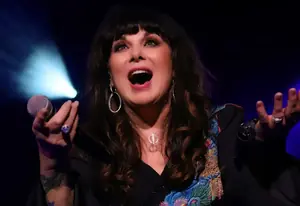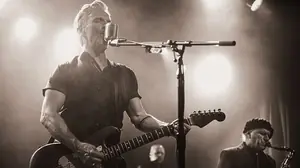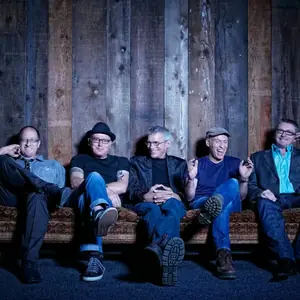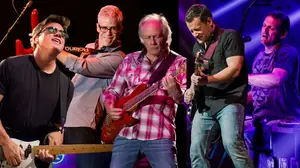
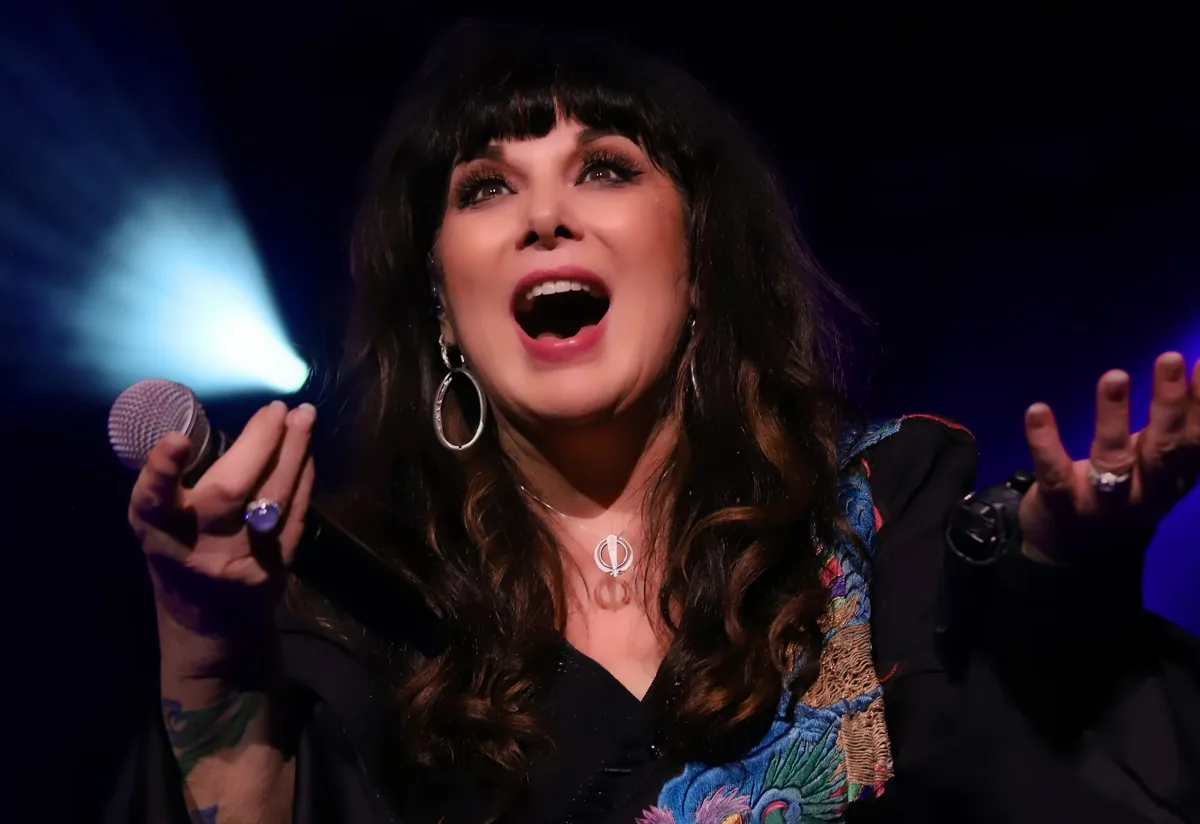

Listening back to these archival tapes from the Red Velvet Car era, the raw signal of Ann Wilson’s voice crackles with a familiar mix of defiance and warmth. It was a pivotal time for Heart. They were back with their first studio album in six years, a muscular and surprisingly vital collection of songs that felt less like a comeback and more like a recalibration. And they were on a uniquely Canadian mission, a coast-to-coast tour that deliberately bypassed the sprawling US market entirely.
The air was thick with excitement. A new record, a new DVD, and a tour that felt like a homecoming. Wilson’s energy is immediate. “It's just been very, very invigorating,” she says, the words tumbling out with the force of a dam breaking. The period felt like a genuine renaissance for the band, a moment where the machinery of Heart was firing on all cylinders again after a necessary pause.
But that pause hangs in the air. Six years is a lifetime in the music business. Why the gap between 2004’s Jupiter’s Darling and Red Velvet Car? Wilson is direct, no publicist-approved spin. It was about life and separate artistic paths. “Nancy was doing some movie scoring with her ex-husband, and I made a solo album,” she explains. That solo album, 2007’s Hope & Glory, was a critical piece of the puzzle, a project that reconnected her with a key figure from their past.
That figure was Ben Mink. His name is the secret ingredient here. Bringing in the producer famed for his groundbreaking work with k.d. lang was a stroke of genius. He wasn’t just a hired gun; he was a collaborator who understood the delicate alchemy of the Wilson sisters. Ann had already worked with him on her solo record. Getting him back for a full Heart project was the final piece.
“It was really amazing to get to come back again with him, with Nancy, because the two of them just got on so well,” Wilson recalls. That chemistry is everything. You can hear Mink’s production savvy all over Red Velvet Car, giving the tracks a polished grit that honours their rock roots without sounding dated. It was a conscious decision to wait for the right person and the right material. No half-measures.
The band wasn’t just dusting off old demos, either. Almost the entire album was written fresh, a testament to a renewed creative spark. The one exception was a track called “Sand,” a holdover from their late-90s side project The Lovemongers. It was Mink who insisted on resurrecting it. He was doing his homework, scouting their live shows to get a handle on their sound.
“He heard us do that, just the two of us, and he just went, ‘Wow. What is that? We should record that again,’” Ann says. It’s a perfect example of how a sharp producer’s ear can find gold in unexpected places, recognizing the raw power in a stripped-down performance and imagining its full potential in the studio.
And then there’s Canada. The interview is drenched in a deep affection for the country that gave Heart its start. This wasn’t just another tour stop; it was a pilgrimage. “We started over in Newfoundland and just came all the way across and played no American dates… just Canada,” she says, the pride evident in her voice. “That was the first time we've ever done that.”
Otherwise you know why are you there taking up space if you're not really there to sing to them and open your soul to them? If you're just there sort of just like fooling around and your mind is wandering then you know that's not cool.
Vancouver, of course, is the emotional centre of it all. It’s not just a city; it’s the band’s origin story. “That's where we formed a group,” Wilson states plainly. She paints a vivid picture of the early days, a time of artistic struggle and bohemian romance. “It's really where all those first songs were written, and I first was allowed to set foot inside a studio and be a hippie and thumb around town and live on brown rice. You know, it was very romantic back then.”
But it wasn’t easy. They were a hard rock band fronted by a woman in the thick of the disco era. The industry didn’t know what to make of them. “They were always trying to make me be a disco diva, and I was never that,” she laughs. “We did have some interesting go-rounds there in the music scene, but eventually I think we just sort of busted down the door.”
That breakthrough came via Mushroom Records, the gutsy Vancouver indie label that took a chance when no one else would. They heard the demo for what would become Dreamboat Annie and saw the future. For Wilson, that loyalty forged a permanent bond. “I have a great, great feeling of magnetism for Vancouver,” she says.
The only real critique one could level at the band during this period was their deliberate, almost leisurely pace. While the six-year album gap was born of necessity and other projects, it also speaks to a band secure enough in its legacy that it no longer feels the pressure to churn out content. This is the double-edged sword for any legacy act: the freedom from commercial pressure can sometimes soften the urgent creative drive that defined their early years.
The conversation inevitably turns to the core of Heart: the relationship between Ann and Nancy. It’s a dynamic that has fascinated fans for decades. Wilson’s take on it is surprisingly analytical and deeply moving. “If you were to take our sisterhood and our friendship and try to measure them… I would think that our friendship would be the greater bond,” she reflects.
Their connection was forged in music first. “We found each other musically when we were just really young kids,” she continues. “It's hard to say where the sisterhood leaves off and the friendship begins.” The secret to its longevity? Knowing when to retreat. “The real trick is to know when to give the other one space.”
That intensity is something Wilson channels directly into her performance. She reveals a pre-show ritual rooted in extreme focus. She avoids interviews and casual chatter right before hitting the stage. She doesn’t want to be distracted by the outside world, by gossip or news.
“I want to feel musical. And I don't want to be like backstage laughing and talking about… what Lindsay Lohan is doing or what's happening in Libya,” she explains. “I want to focus. I want to think about what we're about to give to those people… otherwise, you know, why are you there taking up space if you're not really there to sing to them and open your soul to them?” It’s a powerful statement of artistic integrity.
This philosophy extends to the setlist. With the 35th anniversary of Dreamboat Annie looming, she confirms they’ll play the hits but on their own terms. “Being the spoiled brats we are, we only do the songs that we love from each era,” she admits. “We don't feel like we need to go up and be a jukebox.”
Looking back, the most poignant moment comes when she discusses the sheer unlikeliness of her career’s duration. Nobody, least of all her, saw this coming. “When you're 22 or 21… you're really just going, ‘Oh, I'll never live to be 30,’” she says. “You never consider that you might still be vital and still be feeling the music in a genuine way.”
She notes that icons like Mick Jagger have said the same. It’s the universal shock of the young rock star who survives not just the lifestyle but also the passage of time, emerging on the other side with wisdom and a still-burning fire. It’s about keeping your soul awake.
As the tape clicks off, Wilson is contemplating the final show of the Canadian tour in Vancouver. She’s torn, not wanting the journey to end. She talks about maybe bringing Ben Mink on stage, or maybe just deciding to “shred the place down.” That uncertainty, that commitment to the moment, is the essence of Heart. Four decades in, and they were still living on the edge, one show at a time.
519 Magazine Archive: We are thrilled to officially unearth the Rockstar Weekly Digital Vault. This isn't just a re-post; it's a high-fidelity restoration of a pivotal era in music journalism. By pairing original print dates with modern retrospectives, we’re bridging the gap between historical rock-and-roll grit and the lightning-fast performance of today’s web. These stories—once locked in physical print and lost URLs—are now back, fully searchable, and optimized for a new generation of fans.
We are thrilled to officially unearth the 519 Magazine Digital Vault. This isn't just a re-post; it's a high-fidelity restoration of a pivotal era in music journalism. By pairing original print dates with modern retrospectives, we're bridging the gap between historical rock-and-roll grit and the lightning-fast performance of today's web. These stories—once locked in physical print and lost URLs—are now back, fully searchable, and optimized for a new generation of fans.