Some documentaries announce themselves as medicine before the opening credits even land. Big Chicken: A Fast Food Conspiracy is one of them. It's the movie we all know should exist, the one we need to sit with, and honestly, the one a lot of us have been quietly avoiding. That tension between necessity and dread runs through the entire 96 minutes, and it never lets up.
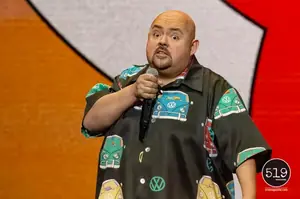
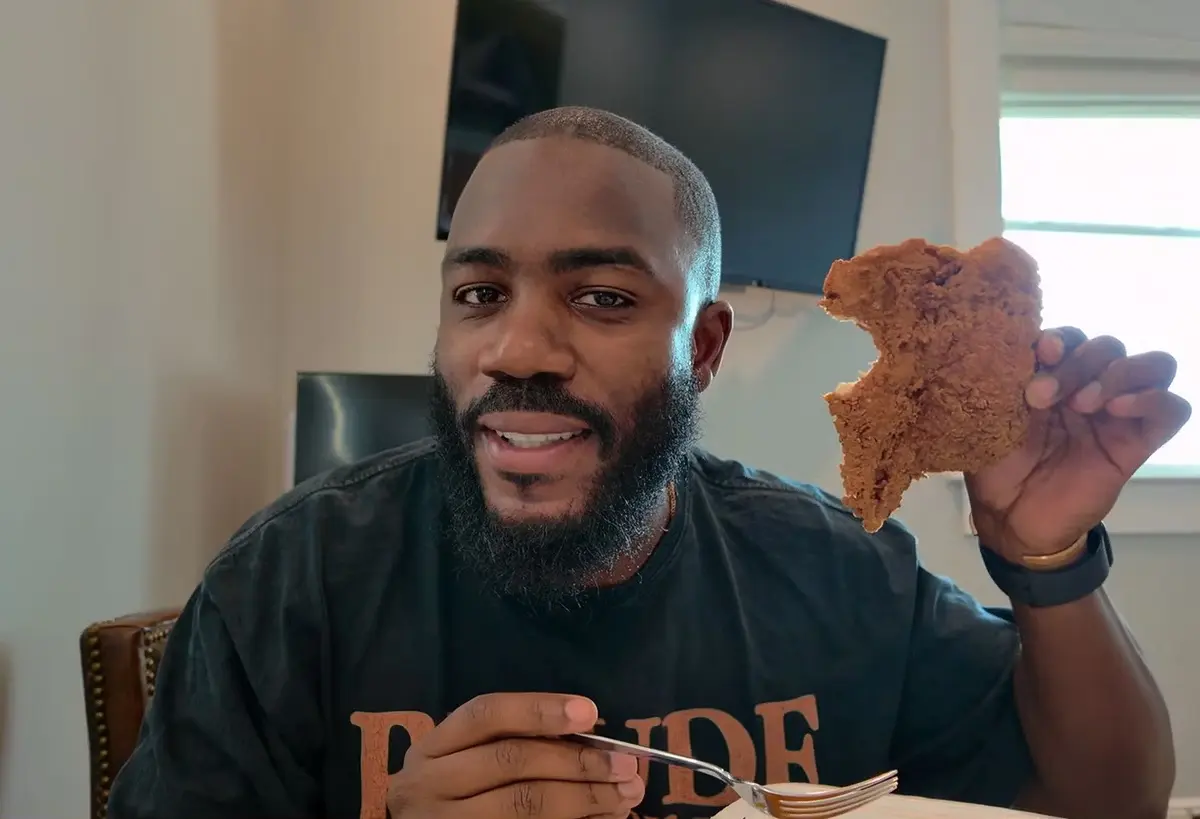
Mo Gilligan wasn't a name on my radar going in. He should be on everyone's now. The BAFTA-winning comedian anchors the film with a wit that never curdles into shtick, and a relatability that makes the hardest material land instead of bounce off. He's not a journalist playing dress-up. He's a guy who loves fried chicken, watching that love get systematically dismantled over 28 days, and he lets the audience feel every stage of that unraveling with him.
The premise sounds like a stunt on paper. Three meals a day, fried chicken only, across the UK and the US, for a month straight. Director Liana Stewart, working with production house Mindhouse, resists the urge to treat it as spectacle. The physical toll shows up fast and ugly. Gilligan tracks the mental fog and the weight change with a candour that never feels performed for the camera.
Where the film earns its subtitle, and its teeth, is in the industry side. Gilligan sits down with experts, tags along with activists on a factory farm visit under cover of night, and spends real time chasing accountability from the companies profiting off the craving he's documenting. KFC Global's silence, when he finally goes looking for answers, becomes its own kind of statement.
But the smartest choice in Big Chicken is refusing to let the story stay purely about health. Gilligan, who is Black, pushes directly into the racial history wrapped around this food, tracing how a dish with roots in Black entrepreneurship and Southern soul cooking got twisted through Jim Crow-era minstrelsy into a punchline. It's the section of the film with the most weight, and Gilligan handles it without ever turning preachy.
That thread pays off in a quietly devastating moment with soul food scholar Adrian Miller, where Gilligan starts to separate the dish from the stigma attached to it. Talking to Tudum afterward, Gilligan put it plainly: "Knowing the history of where it comes from definitely changed my perception." It's the rare sentence in a food documentary that actually reframes everything around it.
The film widens further in Chicago, where food deserts and income inequality get folded into the larger indictment, and the point lands harder for being made through people rather than statistics. Twenty pieces of fried chicken costing less than fresh produce isn't an abstraction once you've watched Gilligan sit across from families living that math every week.
Comparisons to Super Size Me are inevitable, and mostly fair, though Big Chicken never wallows in shock value the way that earlier film sometimes did. This one is more interested in systems than in stunts, even with a stunt sitting at its centre.
If there's a place the film pulls its punches, it's in the pacing of the back stretch, where the health consequences and the industry accountability threads occasionally repeat ground the film already covered more sharply earlier on. It doesn't sink the movie. It just means the conclusion doesn't land with quite the same force as the middle hour.
Awareness of what fast food actually costs us, and who it costs the most, keeps growing, and Big Chicken arrives at exactly the right moment to push that further. It's funny when it needs to be, gutting when it needs to be, and it never once lets Gilligan, or the audience, off easy.