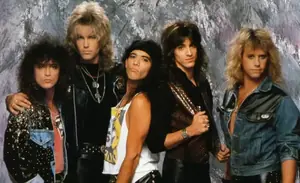

Looking at the raw transcripts from this late 2018 conversation with Glass Tiger’s Sam Reid feels like opening a time capsule. The band was on the precipice of a major Canadian tour with Johnny Reid, a new album was in the wild, and they were staring down a career milestone. But this wasn’t the triumphant 30th anniversary victory lap everyone had expected. Instead, it was year 31. And that one-year delay tells a story of crisis, survival, and an unexpected artistic rebirth that redefined the band for a new era.
Everything screeched to a halt when frontman Alan Frew suffered a mild stroke. The industry buzz around a three-decade celebration vanished overnight, replaced by genuine concern for a beloved figure in Canadian music. For a band that had weathered the industry for so long, it was a brutal reminder of human fragility. Reid is direct about the impact. “It’s definitely a wake-up call, especially for Alan, but for all of us as we get a little bit older and thirty-plus years in the business,” he says. “We’re very, very close friends, and we’re really tied into everything that goes on in our lives. So it certainly put us all on alert.”





But rock and roll abhors a vacuum. As Frew recovered, the question of ‘what next’ became urgent. The band decided against chasing a belated celebration. The answer was to own the delay. “We said, ‘Well, to hell with it. Let’s not chase 30. Let’s call it 31 and let’s get back out there’,” Reid explains. This decision was more than just clever marketing. It was a statement of resilience. They weren’t pretending the crisis didn’t happen; they were branding their comeback with it.
The catalyst for this new chapter came from an unlikely source: country-soul powerhouse Johnny Reid. The connection wasn’t just a random industry pairing. It was rooted in a shared Scottish heritage and a deep respect for the band’s catalogue. Johnny Reid had worn out his copy of The Thin Red Line as a new Canadian. It was he who pitched the radical idea for the album that would become 31.
Sam Reid is quick to give credit where it’s due. “It was Johnny that said, ‘You know, guys, this was such a big record, Thin Red Line... I really think what you should do, and I’d love to do this with you, is to reimagine those songs that are already family and invite them back into your home.’ ” This wasn't a simple request to re-record hits. It was a challenge to deconstruct their own anthems—songs they had played one way for three decades.
The proposition was a gamble. Taking 80s synth-rock staples and filtering them through an Americana and Celtic lens in a Nashville studio could have easily resulted in a novelty project. But the result was something far more profound. Reid recalls the process of sitting around Johnny’s kitchen table with acoustic guitars and a piano, stripping the songs to their studs. This is what the industry calls the ‘campfire test’. If a song works with just a voice and a guitar, its architecture is sound.

It’s a testament to the songwriting that the material not only survived but thrived in this new context. “It’s amazing, the genre doesn’t seem to matter anymore; it’s just good melodies, great lyrics, and a great feel, and that’s how we built the record on,” Sam says. The initial shock of hearing a country artist billed with Glass Tiger quickly faded as the project’s artistic integrity became clear.
We were sort of forced to pick 31 because our singer threw a curveball at us heading into our thirtieth. He had a mild stroke, and the band decided to obviously let him recover...And when he started to feel better, we said, well, to hell with it. Let's not chase 30. Let's call it 31, and let's get back out there.
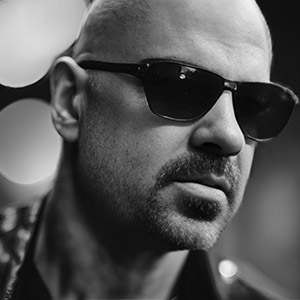
The reinvention was total. A hard-rocking track like “I Will Be There” was reborn with pedal steel and acoustic guitars, morphing into something that could sit comfortably on a country playlist. The title track “The Thin Red Line” was stripped of its wall-of-sound production and rebuilt around a stark single-note piano line and the raw vocals of Frew and guest Julian Lennon. Reid admits it was an adjustment. “Johnny said, ‘Just keep an open mind because you guys are so close to these songs that this will be a little strange. But let them simmer and let them come out the way they’re gonna come out here.’ ”
This period also saw the band finally book a gig that had eluded them for their entire career: a headlining show at Toronto’s Massey Hall. It’s a fascinating piece of music history. In their 80s heyday, Glass Tiger was simply too big for the legendary theatre. They were an arena and festival act, playing to tens of thousands at places like the Ontario Place Forum and Kingswood Music Theatre. They were a band built for massive outdoor stages, not soft-seater venues.
“We tended to not play any soft-seater theatres. So we missed it. We totally never got a chance in thirty-one years, ever got a chance to play Massey Hall,” Reid recounts. The urgency was amplified by the fact the venue was scheduled to close for major renovations. “We really, really wanted to say that we played it in its, in its sort of, current classic state.” It was a bucket-list moment, a symbolic conquest that connected their larger-than-life past with their more intimate present.
That past was indeed massive. The 80s were a different beast. “Your hair—the hair was big. Everything’s big. Songs were big,” Sam laughs. Touring Europe with Tina Turner and America with Journey cemented their status as global contenders. But playing Massey Hall or the 400-seat theatres on the Johnny Reid tour offered a different kind of satisfaction. It was a chance for connection, a more personal dialogue with an audience that had grown up with them.
And that audience was still there, thanks in no small part to the band’s presence on classic rock radio. Their hits remain in what’s called ‘gold rotation,’ ensuring a steady stream of airplay. This has cultivated a new generation of fans. “Sometimes you look down there and you think, ‘There’s no way you were old enough to be there in the eighties,’ and then you find out that they learned about us from their mom and dad,” Reid notes. “So we’re on our second generation of Glass Tiger fans.”
The conversation then shifts to the band’s very origins, offering a glimpse into the mechanics of 80s music branding. Before Glass Tiger, there was Tokyo, a bar band with the same lineup. The name change wasn’t due to some artistic epiphany but a pragmatic business decision upon signing with Capitol Records. The name Tokyo was chosen in a hurry for a concert ticket. It had no real meaning.
“When we got signed, you know, we started thinking about this. ‘Do we want to be here under the name Tokyo?’ Because once you go with it, you know, and band names are silly anyways,” Sam reflects. He points to The Police as an example of a name that sounds ridiculous in a vacuum but becomes iconic through association. The name Glass Tiger stuck, and along with it came a logo designed by the English firm Shoot That Tiger, known for their work on David Bowie's Let’s Dance. That logo has remained unchanged, a symbol of enduring brand identity.

Revisiting this 2018 interview, it’s clear that Glass Tiger wasn’t just going through the motions. They were actively engaged in the process of their own legacy. Forced by a health scare, they embraced a collaboration that pushed them far outside their comfort zone. The result was 31, an album that served as both a tribute to their past and a bold step into a new sonic territory. It was the work of a band that had survived the big machine of the 80s and found a new, more nuanced way to tell their stories.
519 Magazine Archive: We are thrilled to officially unearth the 519 Magazine Digital Vault. This isn't just a re-post; it's a high-fidelity restoration of a pivotal era in music journalism. By pairing original print dates with modern retrospectives, we’re bridging the gap between historical rock-and-roll grit and the lightning-fast performance of today’s web. These stories—once locked in physical print and lost URLs—are now back, fully searchable, and optimized for a new generation of fans.
We are thrilled to officially unearth the 519 Magazine Digital Vault. This isn't just a re-post; it's a high-fidelity restoration of a pivotal era in music journalism. By pairing original print dates with modern retrospectives, we're bridging the gap between historical rock-and-roll grit and the lightning-fast performance of today's web. These stories—once locked in physical print and lost URLs—are now back, fully searchable, and optimized for a new generation of fans.