Hamilton doesn't do polite.
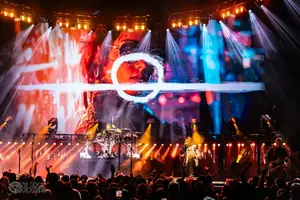
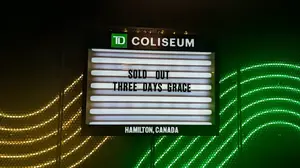
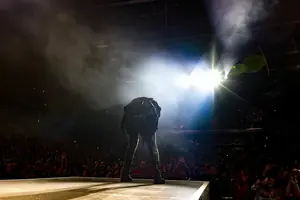
I've been to enough shows in this city to know that walking into TD Coliseum on a Sunday night with Three Days Grace on the marquee isn't really a concert experience — it's a contact sport. And May 3 delivered exactly that. Before Royal Tusk had finished their opener, the room had already made its intentions clear. This crowd came to participate.
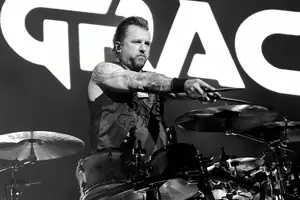
I've seen Three Days Grace a handful of times over the years. Each time, something tightens. The songs get leaner, the production gets bigger, the band finds another gear you didn't know was there. But nothing quite prepared me for what this lineup — this specific, improbable, genuinely thrilling two-vocalist configuration — does to a room the size of TD Coliseum at full capacity.
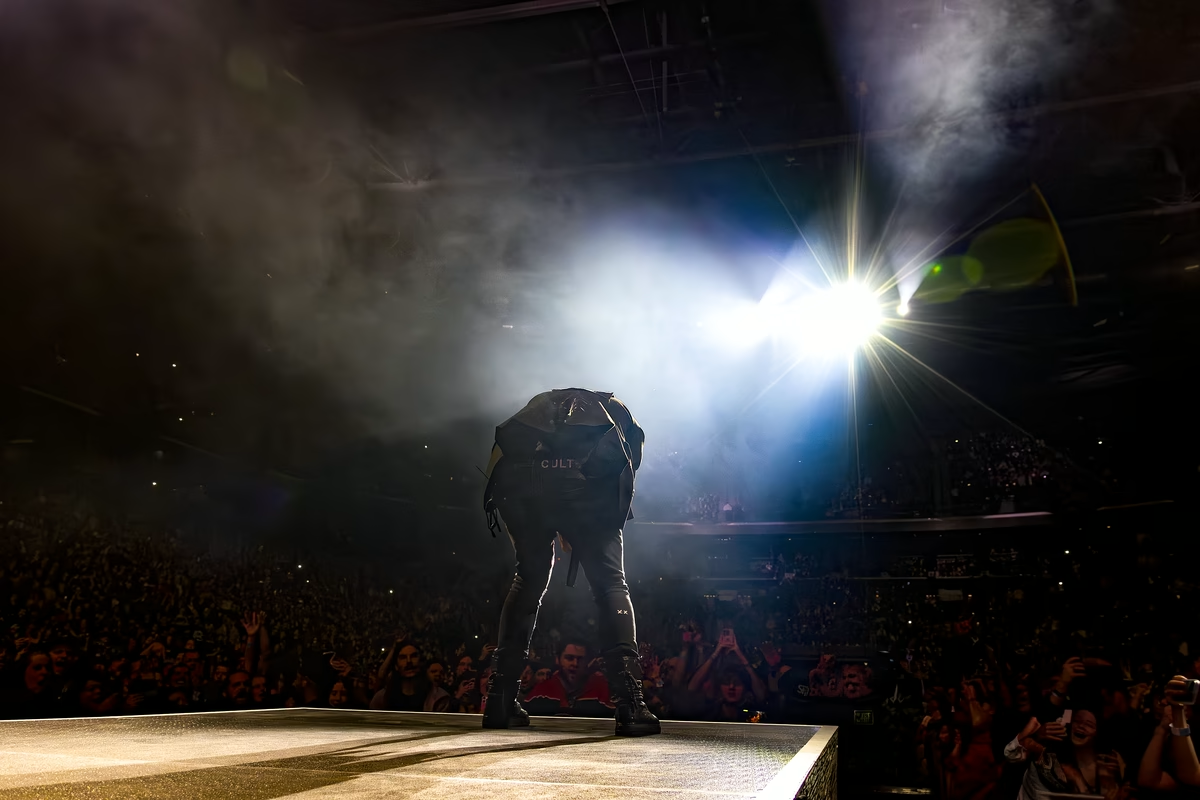
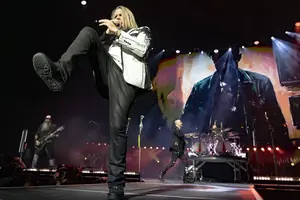
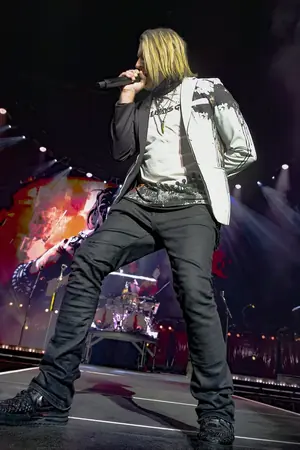
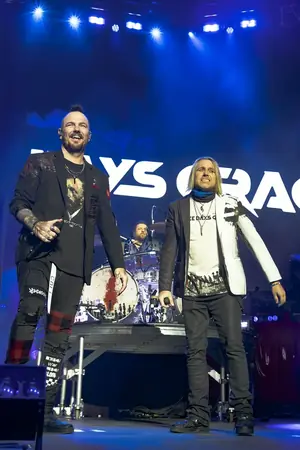
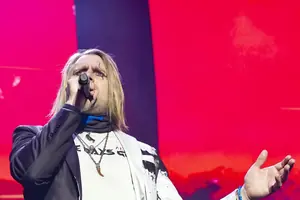
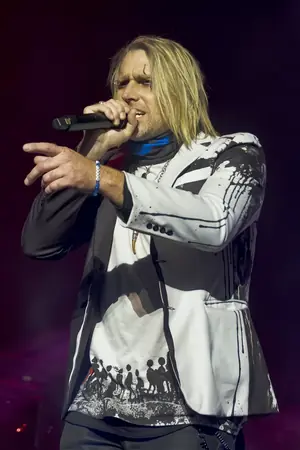
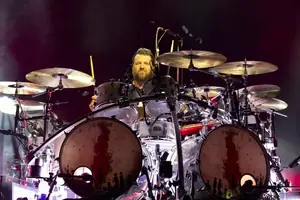
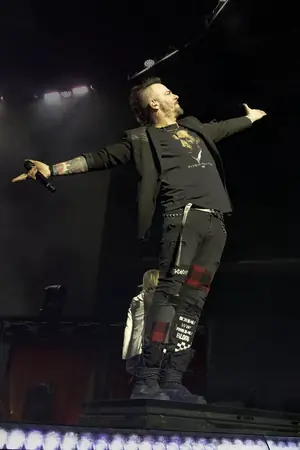
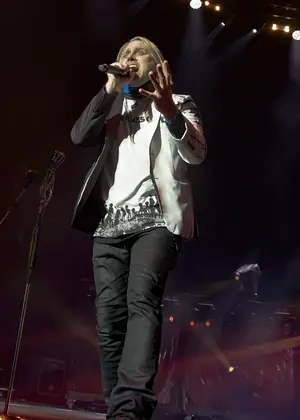
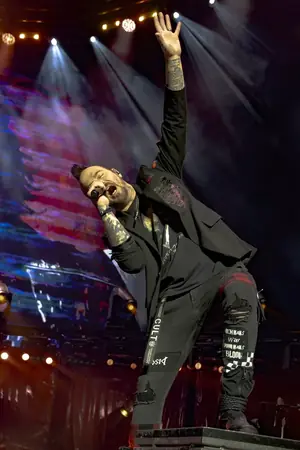
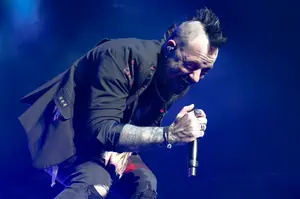
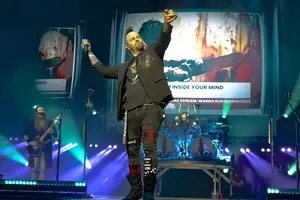
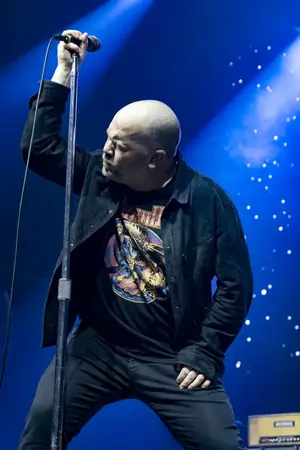
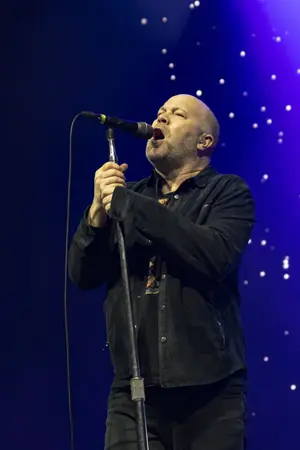
Dominate opened the night, same as Windsor two days prior. Here though, the song hits a different weight class entirely. The Coliseum doesn't just amplify sound — it pressurises it. Adam Gontier and Matt Walst trading and overlapping at the front of a stage built for exactly this kind of scale felt less like a concert opener and more like a controlled detonation. The low-end on the mix was surgical. Nothing bled. Nothing clipped. At this volume, in this building, that matters.
What followed was exactly what a Three Days Grace crowd wants and exactly what this band has earned the right to deliver. Animal I Have Become. I Hate Everything About You. Pain. Time of Dying. The room didn't need any warm-up — they were singing before the band had found its footing on stage, thousands of voices that knew every syllable of every song like they'd written them in a high school notebook somewhere. Maybe they had.
Then Gontier stopped. Looked out at the room. Said Hamilton was the best city on the tour so far.
I've heard that line at shows before. It doesn't usually mean anything. This time it did — you could feel the room decide to believe him, and then reward him for it. Almost two weeks ago this same venue had held Triumph's reunion. That crowd was seated, respectful, present in the way that older classic-rock audiences are. This crowd was none of those things. Louder. More physical. More demanding. And the band responded to that demand song by song.
Two kids, on a sold-out stage, inside a song that their family helped build. The crowd — 17,000 people who had been loud all night — got louder. Not for the performance. For what it represented.
The acoustic section landed differently here than it does in the smaller rooms. The campfire staging — warm amber, a real-looking fire structure front and centre — reads as an intimate gesture in a 5,000-seat room. At full Coliseum capacity it becomes something almost theatrical, the entire arena dimming down around a band that's betting the room won't lose interest without the volume. It didn't. Lost in You held up beautifully. The Chalk Outline, Porn Star Dancing, My Sharona medley drew the kind of crowd response that tells you the person next to you is having the exact same moment you are.
But none of that was the moment.
During I Am Machine, Neil Sanderson's son Dom came out. His friend Jet with him. Two kids, on a sold-out stage, inside a song that their family helped build. The crowd — 17,000 people who had been loud all night — got louder. Not for the performance. For what it represented. There's a word for it that I won't use here, but you know what it is. The next generation showing up, in front of everyone, on the biggest stage of their young lives. Hamilton roared.
And then at the close of the set, Walst brought his little boy out for Riot. The kid stood stage-side in oversized ear defenders — too young to be at a show this loud, old enough to know something important was happening around him. Walst kept checking on him between lines. The crowd kept watching both of them. Riot didn't get quieter. But the room did something it hadn't done all night: it held its breath, just slightly, between the big moments. Protective instinct. Collective. Completely unplanned.
That's the show this band is putting on in 2026. Not a reunion lap. Not a nostalgia exercise. A genuinely functioning two-vocalist rock band — something this genre almost never produces at this level — playing the biggest rooms they've ever played with songs that a generation has already decided belong to them. Walst hasn't faded into a supporting role here. His upper register through the second set's electric run cut through the room with its own authority, independent of what Gontier was doing beside him. They push each other. The friction is the point.
If there's a critique — and there is one — it's that the return to full electric after the acoustic section took a song and a half to fully rebuild what set one had earned. The structural dip is real and slightly more noticeable at arena scale. Never Too Late pulled everything back, building exactly the way it's built to, and the night finished the way it should have: loud, fast and complete.
I've seen this band multiple times. They get better. This was the best.
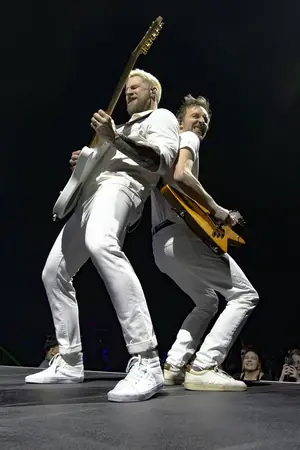
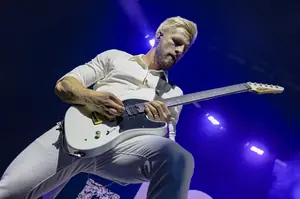
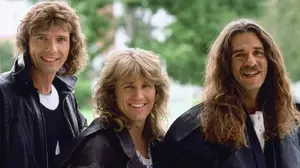
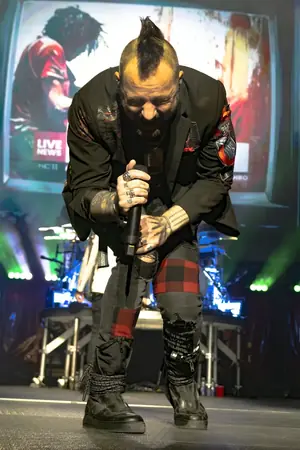
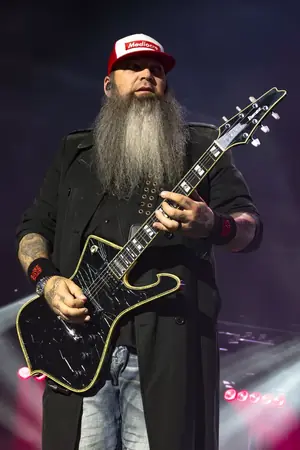
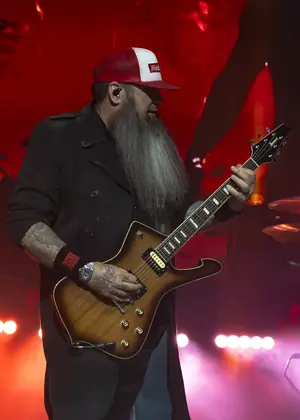
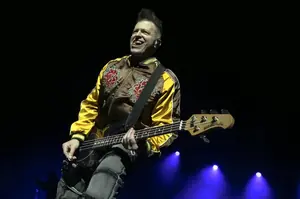
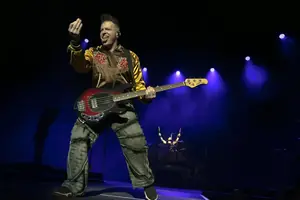
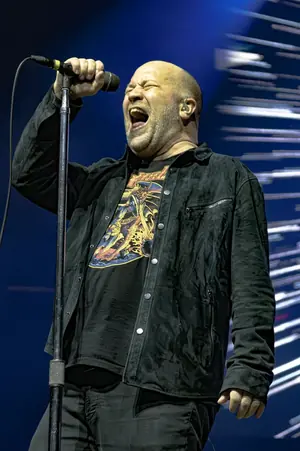
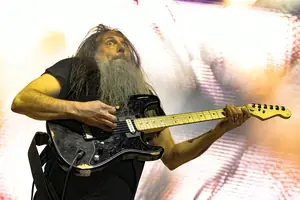
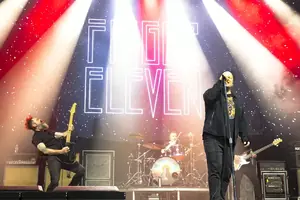
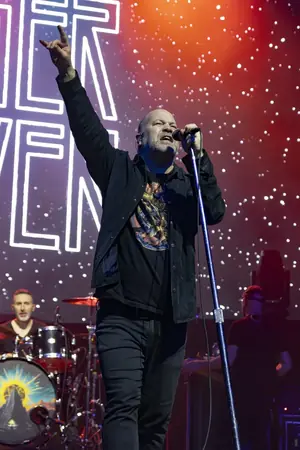
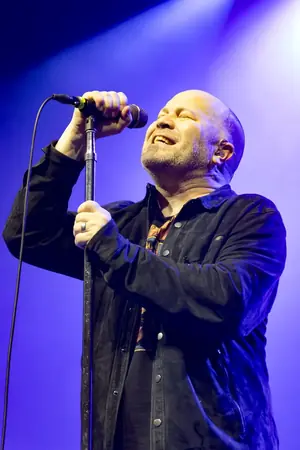
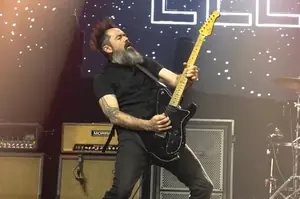
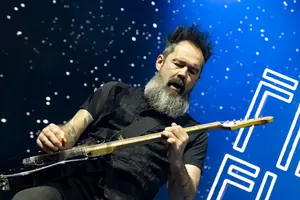
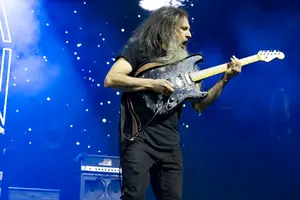
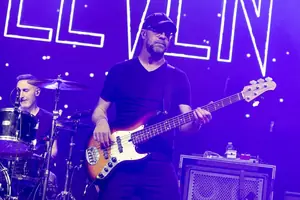
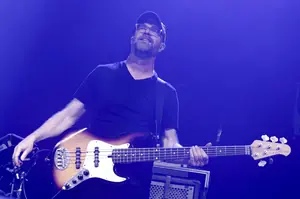
Finger Eleven came out as direct support and reminded everyone why they keep getting booked on bills like this. Rick Jackett was a blur of hair and physicality, his guitar tone colliding with James Black's cleaner lines in a way that gave the set a genuine internal argument. The closing run — That's All into Paralyzer into AC/DC's Back in Black — had the floor at full voice before it was finished. These are veterans who still play like they're trying to earn the slot. That's the whole trick.
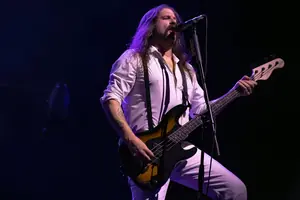
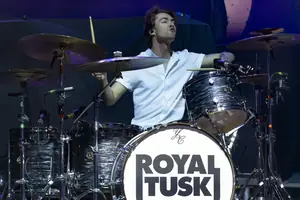
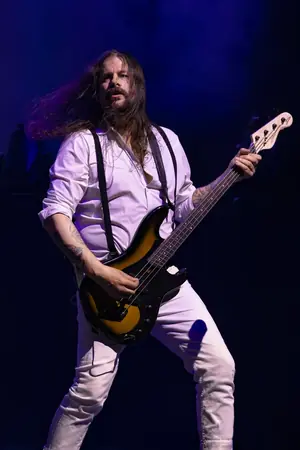
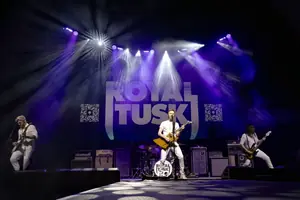
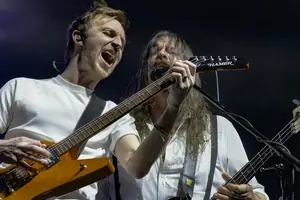
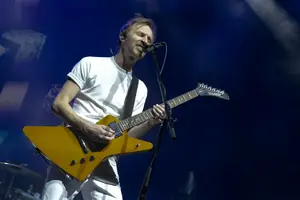
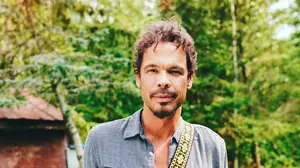
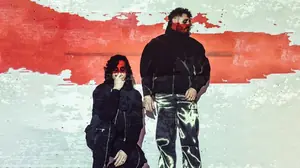
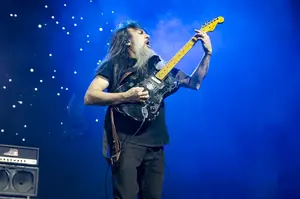
Royal Tusk opened in matching white and sounded like nothing that implied. Their set leaned hard into low-end sludge and earned a room that wasn't fully paying attention yet. Die Knowing hit harder than any opener has a right to. They deserve a much bigger audience than the one they currently have. Keep watching.
Three Days Grace
Finger Eleven
Royal Tusk