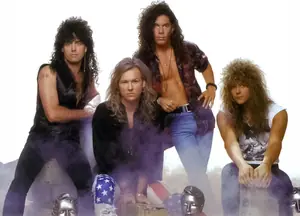
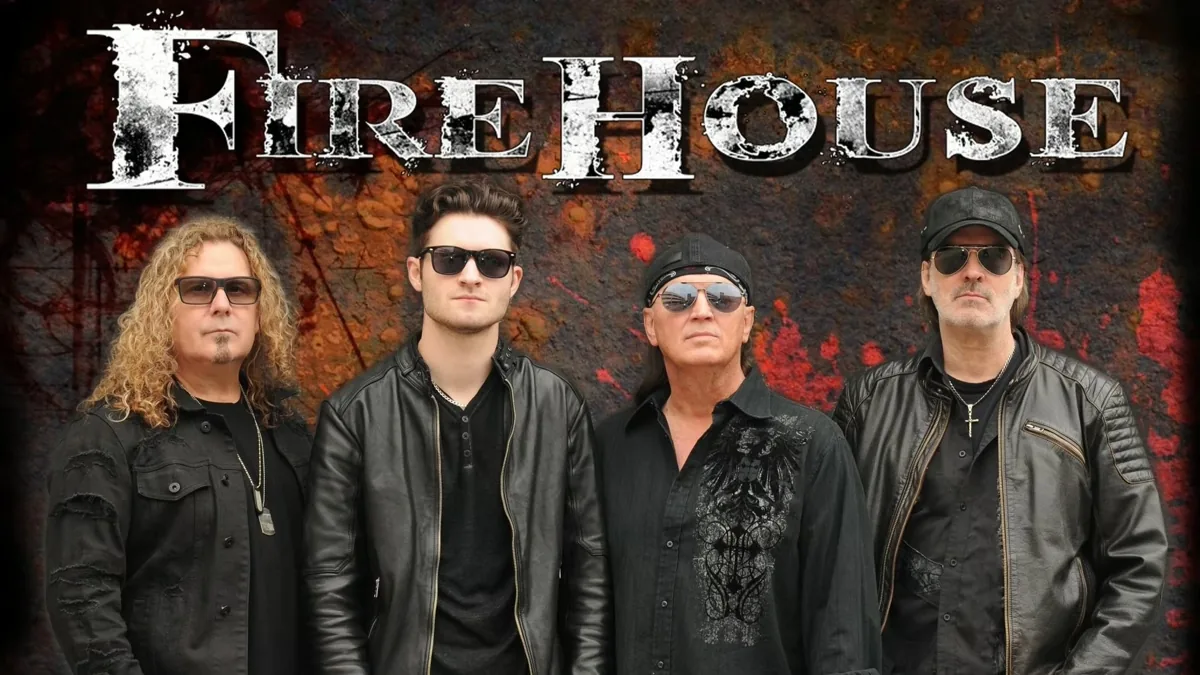
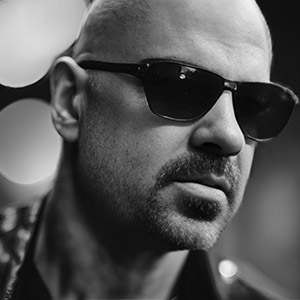
Looking back at these archival tapes from Apr. 22, 2009, feels like cracking open a time capsule. The industry was in a freefall, grappling with the digital beast that was devouring physical sales. And here was Bill Leverty, guitarist for Firehouse, laying out the unvarnished reality of a band that had survived the grunge apocalypse only to face a new, more insidious challenge: relevance in the internet age.
This wasn't the sound of a rock star clinging to past glories. It was the sound of a tradesman. A working musician. Leverty’s description of the band’s schedule was a portrait of the modern legacy act. The glamour of the tour bus had been replaced by the brutal efficiency of airport terminals and frequent flyer miles.
“In the summertime, we generally fly out on a Friday morning, play a Friday night, and we wake up on a Saturday morning and fly to the next event or festival,” he says, the weariness almost audible in the magnetic hum of the tape. This was the new model. No more month-long treks. Just surgical strikes into festival fields and casino theaters, playing for audiences who, as Leverty wryly notes, now like to gamble more.
The casino circuit is a fascinating ecosystem. It’s a stable, well-paying gig for bands of a certain vintage, a place where the demographic has aged gracefully alongside the artists. But it also speaks to a shift from creating new culture to curating nostalgia. Firehouse wasn't just a band anymore; they were an experience, a reliable brand delivering a specific product.
And that product was the hits. Leverty is candid about the constraints of festival slots, which often limit them to a tight 60-minute set. There is no room for deep cuts or experimental jams. It’s a purely transactional performance designed for maximum impact and minimal friction. You get the anthems you paid for.
“We always throw in our biggest songs,” Leverty confirms, listing off a murderer’s row of early ‘90s radio staples: “Reach for the Sky,” “All She Wrote,” “Don't Treat Me Bad,” “Love of a Lifetime,” “When I Look Into Your Eyes.” It’s what the people want. But you can hear the artist’s desire for more, sneaking in a track from their then-latest album, 2003’s Prime Time, hoping to connect on something current.
But the real connection, the one that seemed to fuel him, happened after the gear was packed away. “The most fun for us aside from doing the show is going out and meeting the people,” he explains. This wasn't a PR line. For bands like Firehouse, that direct-to-fan contact was the bedrock of their survival. They built a loyal following, one handshake and Sharpie signature at a time, long after MTV had moved on.
The conversation inevitably turns to new music, and here, the interview gets real. Six years had passed since Prime Time, a significant gap. Leverty’s explanation is a raw look at the life of a middle-aged rocker. The priorities had shifted. It was no longer about locking yourselves in a studio for months on end.
I always heard from my friends in the business that as soon as they ask you to put out your greatest hits record, they’re about to drop you.
“It’s just sort of a different set of priorities now when you got kids and they come home from school and you want to help them with their homework,” he admits. The logistics of coordinating four family men living in different places became a monumental task. The rock and roll dream had collided with PTA meetings and mortgage payments. The band had become a part-time job, albeit one that required crisscrossing the country.
His solo work became the necessary pressure-release valve. It was something he could control, working in his basement studio after his family was asleep. It was pure creation without the scheduling headaches or democratic votes of the band. A necessary outlet for an artist who still had things to say, even if the primary vehicle was parked in the garage.
One of the most telling moments is his recollection of the Good Acoustics album. It’s a classic music industry tale. The label, Sony, was ready to cut them loose. “I always heard from my friends in the business that as soon as they ask you to put out your greatest hits record, they’re about to drop you,” Leverty says, revealing a harsh industry truth. His savvy counter-proposal to re-record the hits acoustically, on a shoestring budget they had to produce themselves, was a stroke of genius. The album went gold in six countries with zero label promotion, a testament to the songs’ durability and the band’s tenacity.
That tenacity is what defined their journey through the ‘90s. While their peers were either breaking up or awkwardly trying on flannel, Firehouse just kept working. Leverty’s perspective is grounded and refreshingly devoid of bitterness. He saw it as a return to their roots as a bar band.
His take on venue size is particularly insightful. “I’d really rather play in a place that holds 100 people and have 101 people in there than play in a place that holds 10,000 people and have 2,000 people in there,” he states. It’s a perfect encapsulation of their ethos. Energy over ego. A packed club will always feel more electric than a half-empty arena. It’s a lesson many bands never learn.
On the topic of their sound getting heavier over time, he offers no grand artistic statement. Instead, it’s about the simple, organic evolution of musicians getting new gear, trying new chords, and being influenced by the sounds around them. It’s an honest, unpretentious answer that feels more truthful than some contrived narrative.
His 2009 analysis of the internet is remarkably clear-eyed. He perfectly articulates the central conflict that artists faced. “The internet has really been a double-edged sword for artists because with every high-speed internet connection, you lose a lot of record sales,” he says. But he also saw the upside, the freedom from major label gatekeepers. He understood that the power was shifting, for better or worse, back into the hands of the artist, who now also had to be their own promoter and publicist.
The band’s internal stability is chalked up to one simple, yet profound, principle: democracy. “One of the things that breaks up a lot of bands is egos and inability to get along and have everybody’s voice heard,” Leverty notes. By ensuring everyone had an equal vote, Firehouse avoided the internal power struggles that tore so many of their contemporaries apart. It’s a business model as much as a creative one.
He speaks warmly of touring with peers like Tesla, Warrant, and Cinderella, painting a picture of a scene that, despite its competitive nature, had a real sense of community. These weren't just rivals; they were colleagues navigating the same treacherous industry waters.
Ultimately, this conversation from the archives reveals the blueprint for survival in the rock world. It’s not about chasing trends or desperately trying to recapture a moment in time. It’s about professionalism, a democratic spirit, a genuine appreciation for your audience, and an unshakeable belief in the quality of your work.
When asked to pick a definitive Firehouse album, he can’t. He points to the first record as their biggest statement but urges people to listen to the latest to understand who they are now. It’s the classic artist’s dilemma: defined by your past but driven by your present. Firehouse never stopped being a working band, and this interview is a masterclass in what that truly means.
519 Magazine Archive: We are thrilled to officially unearth the Rockstar Weekly Digital Vault. This isn't just a re-post; it's a high-fidelity restoration of a pivotal era in music journalism. By pairing original print dates with modern retrospectives, we’re bridging the gap between historical rock-and-roll grit and the lightning-fast performance of today’s web. These stories—once locked in physical print and lost URLs—are now back, fully searchable, and optimized for a new generation of fans.
We are thrilled to officially unearth the 519 Magazine Digital Vault. This isn't just a re-post; it's a high-fidelity restoration of a pivotal era in music journalism. By pairing original print dates with modern retrospectives, we're bridging the gap between historical rock-and-roll grit and the lightning-fast performance of today's web. These stories—once locked in physical print and lost URLs—are now back, fully searchable, and optimized for a new generation of fans.