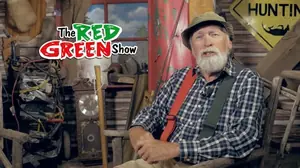


Revisiting the raw transcripts from this 2019 conversation with Steve Smith is like unearthing a cultural time capsule. It captures the precise moment a Canadian icon decided to consciously, and gracefully, hang up the suspenders. This wasn't a cash grab or a rock-and-roll cliché. It was a calculated exit at the absolute peak of his second act. The tour was dubbed “This Could Be It” and Smith, in his typically understated way, reveals the finality of that title wasn't just marketing fluff.
Originally, there was a plan for a follow-up tour, a definitive last lap called “This Is Definitely It.” But the machine was running too well. Smith explains with a kind of quiet pride, “I toured The US in the spring, and it, well, it just went so well that I just can't top it, and I don't even wanna try. So this is it.” That’s a level of self-awareness few performers ever achieve. The fear of diminishing returns, of becoming a nostalgia act playing to a half-full theatre, was a powerful motivator. He saw the trap so many legacy acts fall into and simply sidestepped it.
And what an exit it was. Smith promised a 100 percent new show, a victory lap built on gratitude and a proper goodbye. It was a multimedia affair with video segments and phone-ins from beloved characters, a clever way to bring the spirit of Possum Lodge to the stage without the full cast. The entire production was an acknowledgment that the bond with his audience was the real story. This wasn't just a man telling jokes; it was the custodian of a fictional world saying farewell to its most loyal citizens.
The relationship between Steve Smith the man and Red Green the character is one for the ages. It’s a symbiotic partnership that lasted decades, blurring the lines between creator and creation. Smith puts it perfectly: “He's my best friend. You know? He says things I wanna say but can't get away with. He does things I only dream about. And every time he makes money, he puts it in my bank account.” What a deal. Red became the unfiltered id to Smith’s more reserved ego, a comedic conduit for a very specific brand of handyman philosophy.
The fact that Smith has signed his name as “Red Green” more than “Steve Smith” despite a 45-year head start speaks volumes. It’s a total eclipse. The character became bigger than the actor a long time ago and Smith seems not just at peace with it but genuinely grateful for it. He built a friend who paid his bills and made millions of people laugh.
It’s almost impossible to believe this entire universe began as a hyper-specific parody of a regional Ontario television personality. Back in 1978 Smith was taking aim at Red Fisher whose program “The Red Fisher Show” was a fixture for outdoorsmen. Fisher was known for his droll delivery and homespun poetry from the fictional Scuttlebutt Lodge. Smith saw the comedic potential in that archetype, recalling, “When I would watch his show, it seemed like he thought nothing would bore you. So I was really kinda making fun of him.”
From that tiny satirical seed grew a national institution. The television show launched in 1990 and ran for an incredible 15 seasons, cementing Possum Lodge and its tenets into the Canadian psyche. What started as an inside joke for Ontario viewers became a cross-country phenomenon. The character outgrew its origins entirely.
And then there’s the duct tape. It’s more than a prop; it’s a philosophy. The “handyman’s secret weapon” became a perfect metaphor for the show’s entire ethos: pragmatic, resourceful, and utterly unpretentious. It’s the great equalizer, a solution for the common man. Smith’s story about towing a car from a ditch with a braided rope of duct tape is the stuff of legend. It proves the concept. The silver tape wasn't just a running gag; it was proof of concept for the entire Red Green worldview.
My goal was never to try to tell people how to live, but to actually give them a break from their life and they can get back to it when I'm done with them.
But here’s the one valid critique: at times, the duct tape shtick became so iconic it risked overshadowing the show's surprisingly clever writing and character work. It became the easy punchline, the thing everyone remembered, sometimes at the expense of the subtler comedy happening between Harold and Red or the absurd pronouncements at the lodge meetings.
When the TV show wrapped in 2006, Smith genuinely tried to retire. He was done. The hat went into an archive at the University of Toronto. He played an absurd amount of golf—161 rounds in 180 days, by his own admission. But the creative impulse doesn't just switch off. He found himself annoying his friends with unused material, a comedian with no outlet.
Providence intervened on a golf course, as it so often does. A chance encounter with the CEO of Random House led to a book deal. “He said any book that I wanted to write as Red Green, he would publish,” Smith recalls. That book, “How to Do Everything,” required a promotional tour. But the thought of selling 10 books at a time in a Saskatoon bookstore was soul-crushing. His solution was pure Red Green ingenuity: why not turn the book tour into a one-man stage show?
He’d never done stand-up, never came from a theatre background. But the moment he stepped on that stage in 2010 he was hooked. “These live shows are the most enjoyable thing I've ever done in my whole career,” he says. It was an accidental second act, a new career discovered decades into the game, all because the audience simply refused to let him go.
This is why his vow to stay retired feels so genuine. He has no interest in becoming a legacy act phoning it in. “You know what happens in most cases, they're, you know, they're kind of a diminished version of their greatness,” he states, a sharp critique of the endless farewell tours that plague the music industry. “I don't know if I do another tour, it won't be any better than this one, and chances are it won't be as good. And then the audience will think, well, maybe I'm not as good either.”
Throughout the conversation, Smith circles back to a defense of a certain kind of comedy that has all but vanished. He pines for the well-intentioned silliness of 50s television where the goal was simple amusement, not social commentary. He correctly identifies the shift in the comedic landscape toward anger, agendas, and outrage. “I didn't see anybody yelling at me from TV,” he says of his influences. “They weren't angry and they weren't obscene.”
Red Green was his attempt to carry that torch. The show was a deliberately apolitical zone, a safe harbour from the noise of the real world. “My goal was never to try to tell people how to live, but to actually give them a break from their life and they can get back to it when I'm done with them,” he says. This is the core of his entire philosophy and the secret to the show’s longevity.
Because the show never engaged in politics, it never became dated. It exists outside of time. “You can watch an episode thirty years later and, you know, it's still as relevant as it ever was,” he notes. In an era of hyper-partisan everything, the gentle absurdity of Possum Lodge feels more vital than ever.
The show's success wasn't just about one man. It was about an ensemble. Smith’s favourite moment isn't a joke he wrote but a moment of pure audience joy. When Patrick McKenna's character Harold returned to the show after a hiatus, they kept it a secret from the live studio audience. The resulting explosion of cheers and applause was so overwhelming they couldn't continue the scene. It was a testament to the deep affection viewers had for that entire world.
That camaraderie extended backstage. In a business known for egos and conflict, Smith proudly states that in 15 years, “there was never a harsh word backstage, never a snip, never a fit.” It was a group of guys who genuinely enjoyed each other's company, and that warmth translated directly through the screen.
Ultimately, the Red Green phenomenon is about more than duct tape and flannel. It’s a celebration of a specific kind of gentle, resourceful, and deeply Canadian masculinity. It’s about community, problem-solving, and finding humour in life’s small frustrations. Looking back on this final tour it's clear Steve Smith didn't just end a show. He closed the doors to the lodge for good, leaving behind a legacy that is, much like a good duct tape repair, built to last.
519 Magazine Archive: We are thrilled to officially unearth the 519 Magazine Digital Vault. This isn't just a re-post; it's a high-fidelity restoration of a pivotal era in music journalism. By pairing original print dates with modern retrospectives, we’re bridging the gap between historical rock-and-roll grit and the lightning-fast performance of today’s web. These stories—once locked in physical print and lost URLs—are now back, fully searchable, and optimized for a new generation of fans.
We are thrilled to officially unearth the 519 Magazine Digital Vault. This isn't just a re-post; it's a high-fidelity restoration of a pivotal era in music journalism. By pairing original print dates with modern retrospectives, we're bridging the gap between historical rock-and-roll grit and the lightning-fast performance of today's web. These stories—once locked in physical print and lost URLs—are now back, fully searchable, and optimized for a new generation of fans.