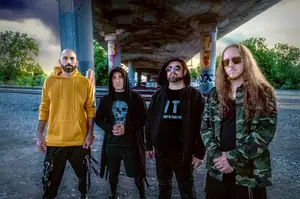

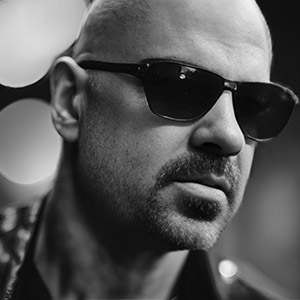
Standing in the back of a dimly lit club in Nova Scotia, you can almost smell the salt air mixing with the scent of stale beer and overheated tube amps. This is the natural habitat of Andre Pettipas and The Giants, a band that has spent years grinding through the Atlantic circuit to become one of the most formidable indie-rock outfits in the country. They first caught the industry's collective ear with the rowdy, unrefined energy of their album *No Fools No Fun*, but their latest move suggests they are tradesmen of a different calibre now.
The new single, "Definition of a Dweeb", is a sharp left turn into the world of power-pop nostalgia. It is catchy, yes, but it carries the kind of self-deprecating weight that only someone who has survived the social gauntlet of a small town can truly articulate.
"The initial concept for “Dweeb” stemmed from a self-haircut gone wrong from my teenage years. I wanted a song that hit the same as Wheatus’ hit, “Teenage Dirtbag” and took a lot of inspiration from that," says Andre Pettipas.
But the song isn't just a tribute to the early 2000s radio dial. It is a calculated look at the scars we carry from the hallways of high school. It resonates because it refuses to romanticize the era. Instead, it leans into the awkwardness, the bad fashion choices and the crushing weight of trying to fit in when you are fundamentally built to stand out.
And that is where the emotional heavy lifting happens. Pettipas isn't just writing about a bad haircut; he is writing about the universal anxiety of the outsider.
"The major meaning behind the song highlights adolescence and teenage growing pains. As my twenties have finished I find myself reflecting on situations I’ve been in throughout my life," shares Andre.
He notes that watching the next generation navigate these same waters—specifically the children of his friends—forced him to revisit his own history. It is a rare bit of empathy in a genre often defined by ego. He is vocal about the fact that the youth need more than just a catchy hook; they need to know that the social hierarchy of their teens isn't a life sentence. He points to the heavy toll mental health takes during these years, especially as teenagers obsess over their digital and physical reflections.
Growing up in a small town, Pettipas was a bit of a walking contradiction. He was the athlete and the artist, a dual identity that often left him in a social no-man's-land. But that competitive streak from the soccer pitch didn't vanish when he picked up a guitar. It just changed shape.
"The memory that sticks out the most is the story of dweeb, for the fact of how much I cared about my hair growing up (and to this day.) I had to shave my head bald after a faulty haircut," recounts Andre.
The incident in question involved a botched attempt at a mohawk right before the soccer provincials. It is the kind of story that feels like a tragedy at 16 and a comedy at 30. But at the time, it was a total stripping of his identity. Shaving his head was a forced reset that made him realize how much of his self-worth was tied to his aesthetic.
"Definition of a Dweeb" uses that vanity as a jumping-off point for a broader conversation about how we treat each other. It is a plea for a little more grace in an era where everyone is ready to pounce on a mistake.
"We’ve got to do better looking out for one another AND not be so hard on ourselves," says Andre.
He is particularly pointed when discussing how people mask their insecurities. The song serves as a cautionary tale against using drugs or alcohol as a shield for the pain of not belonging. It is a heavy message for a song with such an infectious chorus, but that is the Pettipas brand: sugar-coating the hard truths.
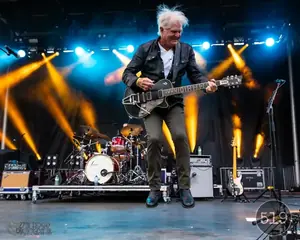
Growing up in this blue-collar province, we've drawn significant inspiration from iconic Nova Scotian bands like The Trews, Sloan, Plaskett, and Mays. This cultural backdrop has imbued our music with a spirit of hard work and resilience, which has also shaped our commitment to delivering electrifying live performances.
"We’re all just lost souls swimming in a fishbowl looking for a place to belong. If we try a little harder to be accepting and welcome people’s different quirks I think the world will be a much better place," Andre expresses.
The anticipation for this new era of the band is high. They’ve been sitting on these ideas for a long time. The global shutdown of 2020 put their momentum on ice, turning what should have been a quick follow-up into a multi-year waiting game.
"It’s so nice to finally be releasing new material...to have fresh material is like a new life," says Andre.
The new single is just the opening salvo for a massive 13-track project titled *Under Control*. This isn't a basement recording. The band took the material to The Bathouse—the legendary studio owned by The Tragically Hip—and Shoebox Studios. You can hear the pedigree in the tracks. There is a warmth to the production, a sense that the songs were allowed to breathe in a room that has seen its fair share of Canadian rock royalty.
But Pettipas' journey to this point hasn't been a straight line. His career, and his life, nearly ended before this current run began. He was sidelined by encephalitis, a brain virus that could have easily taken his ability to perform, if not more.
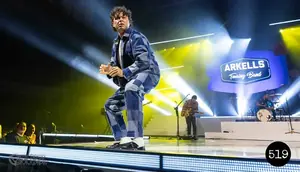
When he recovered, he entered the Arkells "Leather Jacket" cover contest. Winning it wasn't just a PR win; it was a cosmic sign that he was supposed to keep going.
"To be honest, this was the biggest turning point in my life...This was GIANT for me as it made me believe that I was on the right path and music IS the road that I should be taking," says Andre.
The name of the band itself, Andre Pettipas and The Giants, is a nod to his love for professional wrestling. It is about being larger than life, but it’s also a practical branding move. He looked at the careers of fellow Maritimers like Joel Plaskett and Matt Mays, noting how they tied their names to their backing bands—The Emergency and El Torpedo—to create a lasting identity.
Being a product of Nova Scotia is baked into the DNA of the group. You can’t separate the music from the blue-collar work ethic of the province.
"Growing up in this blue-collar province, we've drawn significant inspiration from iconic Nova Scotian bands like The Trews, Sloan, Plaskett and Mays. This cultural backdrop has imbued our music with a spirit of hard work and resilience, which has also shaped our commitment to delivering electrifying live performances," says Andre.
That commitment led them to start their own festival, "Giantstock", in Merigomish, NS. They didn't want to wait for an invitation to the big stages, so they built their own.
"The idea was kindled during our performances at 'The Blacktop Ball', a festival hosted by our friends, The Stanfields. With a new album on the horizon, we decided to invite some of our closest colleagues to the inaugural year of Giantstock," says Andre.
The venue isn't some sterile fairground. It’s a piece of land owned by their friend, Orville Mason, featuring a built-in stage and a view that would make most city-dwellers weep.
"The picturesque coastal landscape and built-in stage on the property owned by our friend, Orville Mason, make it the perfect location for attendees to unplug and immerse themselves in the music," says Andre.
Looking back, the trajectory of the band has been marked by these moments of validation. In 2015, they were finalists for the Casino NS Artist in Residence program, a move that signalled they were moving beyond the pub circuit.
"This recognition validated our work and marked us as serious contenders in the music scene," Andre says.
Then came the Billboard success. When their track "Sympathy Card" climbed to #27 on the Mainstream Rock Chart, it was a moment of surreal realization. They weren't just a regional act anymore; they were playing in the same sandbox as the titans.
"Sharing space with legendary bands like Foo Fighters and AC/DC... reaffirms our belief in the path we've chosen," Andre shares.
The story of "Sympathy Card" is a lesson in the power of collaboration. It started as a humble demo before John Angus MacDonald of The Trews got his hands on it. He helped the band strip it down and rebuild it into the monster it became.
"The song, originally a demo, was reworked with John Angus MacDonald of The Trews and turned into a powerful three-chord rocker. It's one of my favorite songs and serves as our set opener during shows," says Andre.
If you want to understand what drives Pettipas, you just have to look at his forearm. He has a tattoo of the Beetlejuice mantra, "it’s showtime," a permanent reminder that once he steps onto the stage, nothing else matters. It is about the exchange of energy between the band and the crowd.
"The band's ultimate goal, whether performing live or recording in a studio, is to provide their audience an escape from everyday life and help them connect deeply with the emotions expressed in their music," Andre explains.
With *Under Control* on the horizon and "Definition of a Dweeb" already making its mark, Andre Pettipas and The Giants are proving that you can grow up without losing the edge that made you a dweeb in the first place.
For more, visit them online: [www.andrepettipasandthegiants.com](http://www.andrepettipasandthegiants.com).