
Bulgaria won Eurovision 2026 in Vienna. Singer Dara, 27 years old, took the whole thing with "Bangaranga," racking up 516 points while the confetti cannons fired and the staging got struck for another year. Somewhere on that same leaderboard, in dead last, sat Sam Battle.
Look Mum No Computer finished 25th and final with nul points from the public and a single jury point. The UK's streak of televote humiliation now runs three years straight. And yet. The scoreboard is not the whole story, and in Battle's case it's not even close to the most interesting part.
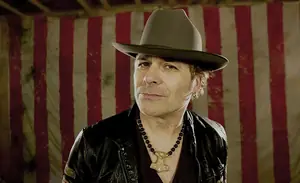
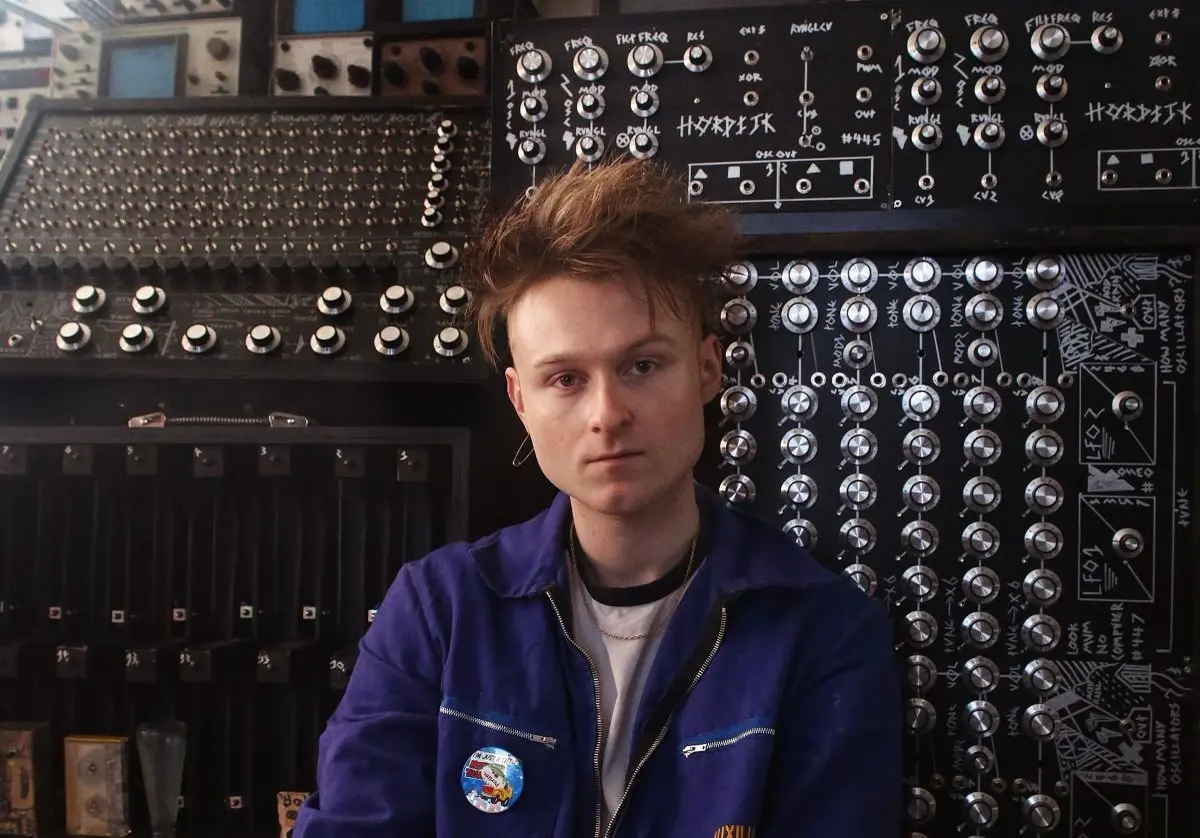
Battle is the Kent-based electronic musician behind the Look Mum No Computer project — a man who builds organs from Furbies and flame-throwing keyboards, runs his own YouTube channel, and operates a museum dedicated to obsolete and experimental technology in Ramsgate. The BBC sent him to Vienna in a pink jumpsuit backed by dancers in fuzzy green computer suits, surrounded by his enormous modular Kosmo synthesiser. The song, he said, wasn't written specifically for Eurovision — it was built around a feeling of togetherness, inspired by his time playing Germany. That's an honest answer and also, probably, part of the problem. Eurovision doesn't reward sincerity. It rewards performance that reads from the back row of a 10,000-seat arena, and "Eins, Zwei, Drei" needed more of that and less of the bedroom.
But here's what the scoreboard misses: the exit from Eurovision can be a louder entrance than the contest itself.
Jahn Teigen performed "Mil etter mil" for Norway in Paris in 1978, finishing last with nul points in what became the first-ever zero score under the modern 12-point voting system. His performance was over-the-top, bizarre and completely unhinged by the standards of the contest. The song became a massive hit in Norway anyway — number one, 20 weeks on the chart. Far from going quiet about it, Teigen used the notoriety cleverly, building himself into one of the most successful artists on the Norwegian scene and going back to Eurovision twice more. He named his album that year This Year's Loser and sold it like a badge. That's not embarrassment. That's brand strategy.
The Modugno case is even more extreme. Domenico Modugno returned to Eurovision in 1966 and finished joint last with zero points. He had already performed "Nel blu, dipinto di blu" — "Volare" — at the 1958 contest, where it finished third before going on to sell tens of millions of copies worldwide and win two Grammys. The 1966 zero was a footnote on a career that had already lapped the building. The scoreboard had nothing to say to him.
Then there's the pivot. Daníel Ágúst Haraldsson took Iceland to last place at Eurovision 1989 in Lausanne with zero points. Solo pop wasn't working. He knew it. He co-founded GusGus in 1995 with film director Kinski, and the project sold over 300,000 records and toured worldwide. The techno and house sound he built with that band found an audience the Eurovision stage never would have given him — because it was the wrong room.
Sam Battle was also in the wrong room. Not because he's not good. Because the BBC sent a synth banger from a mad professor of pop to a room that rewards standard pop and continental bloc voting. He walked in with a Furby organ, essentially, and the televoters wanted something that sounded like it belonged on a summer playlist. Those are different products. Confusing them isn't a talent failure — it's a strategy failure that belongs to the BBC as much as anyone.
The single jury point Battle earned in Vienna — just like Lord of the Lost's last-place finish in 2023, which didn't stop them opening for Iron Maiden across Europe that summer — is already irrelevant to what happens next. His audience was watching from home. His museum is still full. His channel still has 700,000 subscribers waiting for the next contraption he wires together.
One point. Last place. The contest is done.
Now the real work starts.